In love with medium format
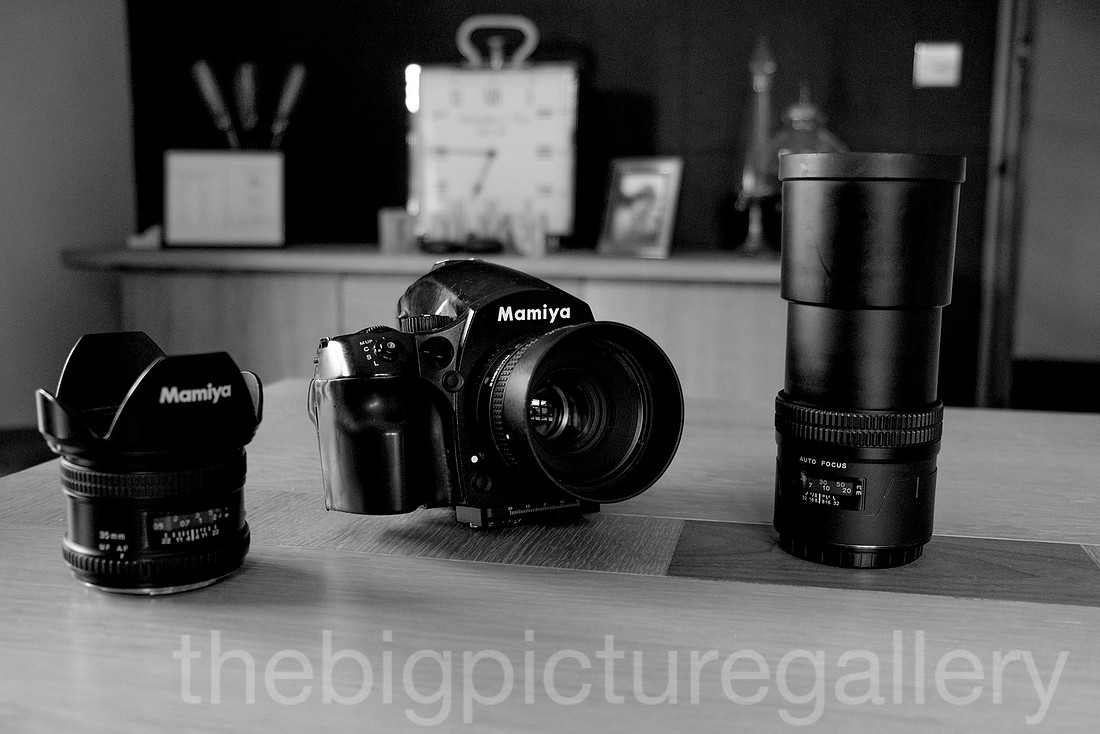
 A few months ago I took an ebay punt on a Mamiya 645df with a Phase One P21+ back with assorted lenses 80mm and 45mm. I had been scratching an itch about moving to medium format for quite a while. The heavy case duly arrived, and within a few minutes I was out in the garden shooting some test pictures. I was like a kid with his first bike. I wasn't particularly blown away when I first viewed the raws (Captures raw files only) in Lightroom, all were underexposed by a stop or so. However after a few tweeks I had images in front of me that were wonderful. What do I mean by wonderful, compared to my Fuji files what? never!
Yes they were wonderful with richness in colour and a lovely tonal depth. Different in many ways to my Fuji system. So after only an hour I was absolutely chuffed as a chuffed thing, that my itch had yielded a gem of a camera.
A little backstory here, for several months I had been thinking of upgrading my Fuji XT1 don't get me wrong here I love the Fuji, and its lenses. I have wrote several blog posts waxing lyrical about the fantastic quality of both image and lenses. As an all round picture taking tool it is possibly the best systemm I have owned. However for me personally the whole issue of menu systems and the plethora of Af modes and other modes that are being engineered into idgital cameras seem to me to be taking away the actual craft of photography. I have noticed this for several years now, it's called dumbing down, where the machine takes over, thanks to a software developer, design engineer, seemingly wanting to make our lives easier.
So the search for something pure and simple became a quest. Should I go back to film? maybe that's was the answer. Then I thought that my audience are pretty much all internet based, what seems the point of shooting film gettting it developed and printed, then scanning and digitizing the images. It really didn't make sense to me. So the only option to find that purity of picture taking and simple operation, was to choose a film camera that can accept a digital back.
Once I had made up my mind I scoured the net (as you do) to research my camera. I found a good resource in the GetDpi site as well as the usual Luminous landscape site. I aslo discovered during my research a thread called Fat Pixels, I won't go into the detail here but it's an interesting theory and involves some subjectivity about what is considered to be "magic colour", but from my months of shooting with the Phase One P21+ I do agree that the colour files it produces are more akin to Chrome films we used to shoot back in the day. Sorry for the digression, but it was discovering these snippets that led me to pick a back with the magic 9 pixel count.
So what are the drawbacks, and how does it perform in the filed?
First and foremost It's heavy,, in fact compared to the Fuji X series, it's a beast. Compared to a Nikon D3 not so much. My F Stop pack with the camera and associated lenses, batteries and tripod weighs a fair bit, out in the field all day you will notice it.
You need a Tripod, yep it's a must have, along with an associated electronic release.
The back I purchased came with 4 batteries, on a long day out you will use most of them.
The Camera itself comes with a AA battery holder (6 needed) I binned that off for the LIPO battery, it lasts forever (unless you leave the camera turned on) as I did a few weeks ago, and forgot until I got to my shooting destination.
Focus on AF is adequate but its limited to the centre focus point, so I usually focus on my subject then flick the lens to MF then shoot.
You need to use mirror lockup on anything under 1/200th of a second, the massive mirror has some slap, even on a sturdy tripod so I use mirror lock up all the time.
Auto WB is pretty good, with on average a cool tone (blue) but easily remedied in LR or Pshop.
ISO I leave it on base ISO 100, it usuable upto 800 ISO, but is pushing the sensor tbh, and shooting Landsacapes on a tripod is not really difficult, so upping the ISO gains you nothing.
How does the Camera and back perform in the field?
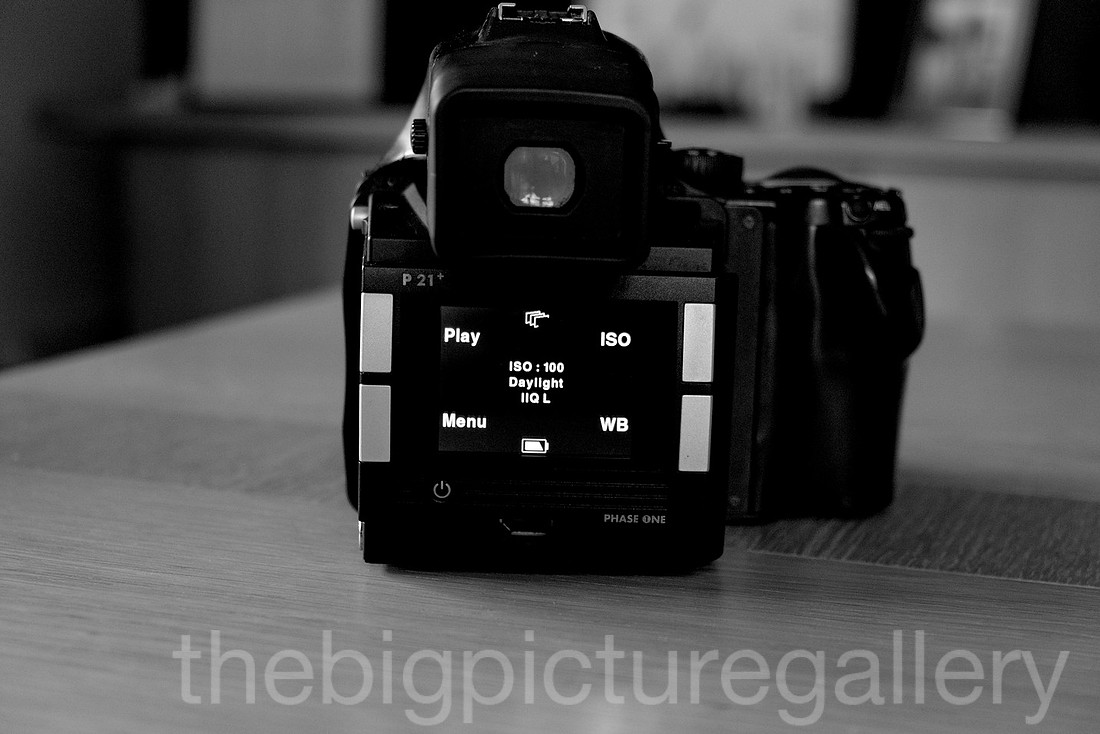
Very easy to use, the back itself is rather uncomplicated as seen in the above image
The 4 chrome buttons are so simple
Button1 top left, access the play review and delets images
Button 2 bottom left, Menu to set time and date, format card, set camera shutter latency, Size of the raw file, WB and ISO a few other things like LCD brightness etc.
Button 3, top right sets the ISO on the fly, you can do this in the main menui but takes a few more presses to get to the ISO.
Button 4, bottom right, similar to the ISO button, just gives a faster route to set the WB quickly, you can alos choose to set a custom white balance very quickly.
If you compared this back and its features to the latest iterations from Fuji, the menu syetem is so simple a child could operate it. This was the main reason for purchase simplicity.
The Camera functions are simple to, yes there are some memory parameters that you can set, you can do this and apply them to either C!, C2 or C3 on the top dial, you get a cheat sheet with the camera which gives you the programming instructions, TBH I've never bothered with it.
I tend to shoot in manual mode most of the time.
The viewfinder is epic, bright with easy to read digital display, dioptre adjustment via a wheel. Point to note the rubber eyecup can easliy come off, and are as rare as hens teeth ergo quite expensive to replace, I lost mine within a few weeks, the new one is firmly in place with a drop of sugru.
Image review is not stellar, the viewing screen on the back is pretty small, and is a bugger to see in bright light, so I rarely chimp, I prefer to discover the results when I get back.
The meter is pretty accurate, I usually use spot mode, has a tendancy to be a slighly underexposed by about 1/2 a stop.
You can push the file over quite a bit, recovery in Lightroom is easy, but it will start to blow the highlights at a about 1.5 stops over. The dynamic range is pretty good even by todays standard, but it will punish you for sloppy technique. Which is a good thing in my view !!!
You can shoot film on it :) with the appropriate back.
You can upgrade the back, without buying a new camera :)
Thje P21+ will shoot exposures for an hour, some other backs do not.
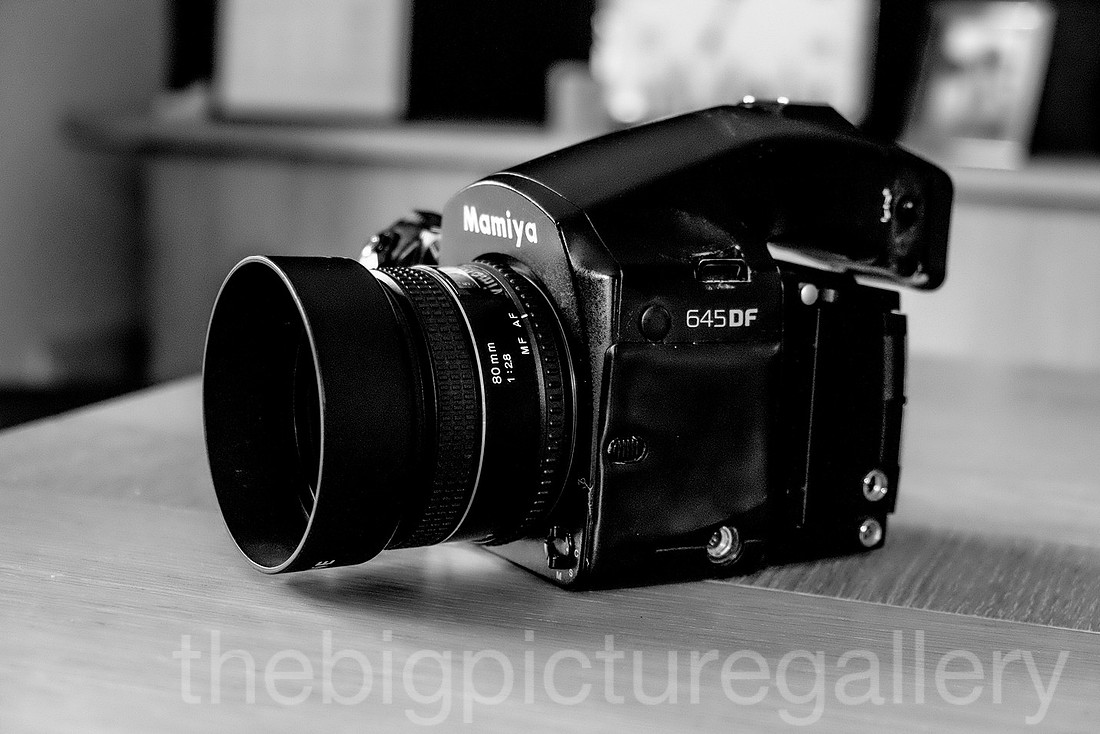
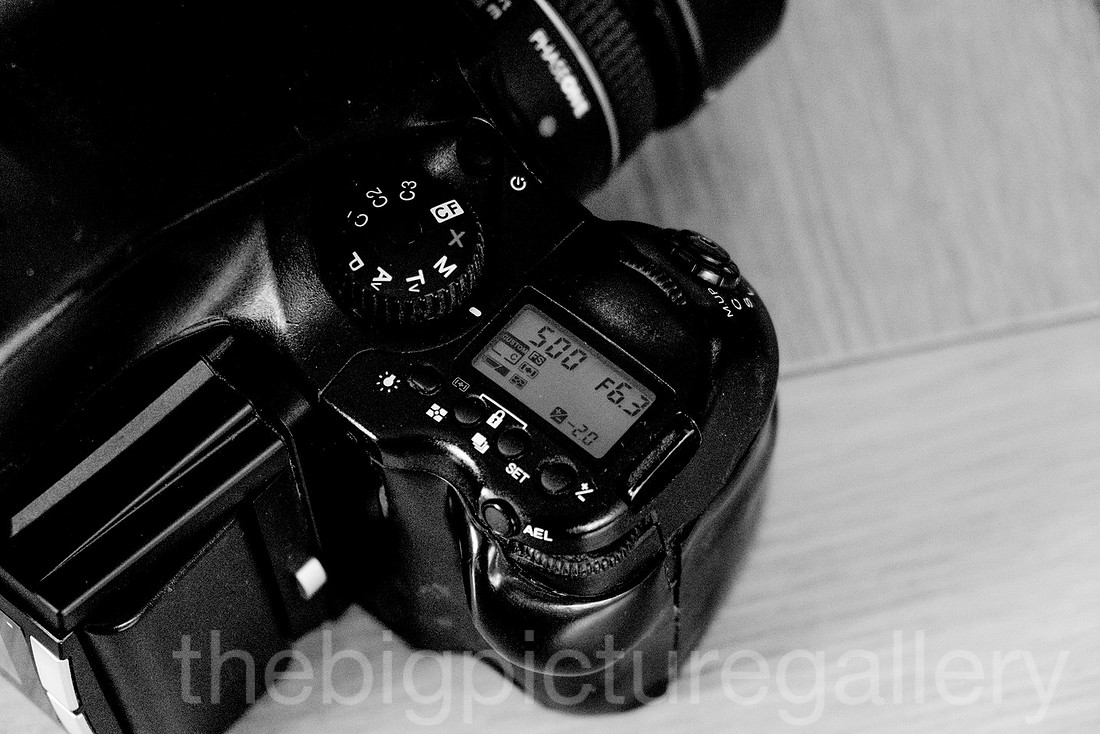
It does have the usual features found on todays cameras AFL and AEL lock, multispot metering etc, but for me, and I say this with all the caveats, thay this is my personal view, some may differ, which is fine by me, this review is purely subjective. This Camera and back set up, suit my work, I no longer have to worry about settings or firmware updates. This is an honest workhorse which takes great pictures if used and treated correctly, using it you must be familiar with the techniques of exposure, as it will punish you if you get it wrong, get it right and it delivers great files that print superbly well.
The lenses available are pretty damn good, and you can use the older film lenses on the 645, however you have to use stop down metering, the new Mamiya/Phase One lenses are seriously expensive :( I tend to use the 35mm AF, 210mm and the 80 mm this suits my landscape needs perfectly, although a lens with a longer throw would be most welcome. The Phase One P21+ (18mp) has a crop facotor of 1:3 so a 35mm lens has a 35mm full frame equivalent of a 26mm. (Crop factor divided into focal length). Ultra wides are not available.
The one great thing that using this Camera and back combination does, is that it forces you to slow down, makes you take time to look at your composition and lighting. When using my Fuji equipment I would rarely use a tripod unless it was for some slow exposure work. The Mamiya is totally different in this respect, using this certainly has made me think more about my photography.
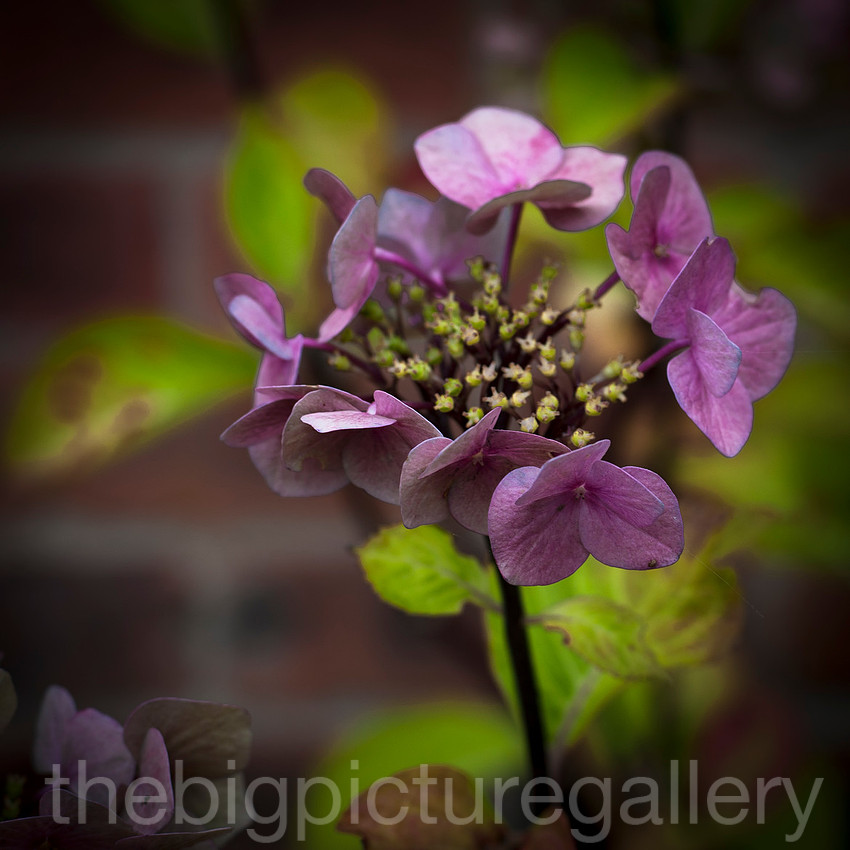
My very first medium format image, Mamiya 645Df with Phase One P21+ back and 80mm lens.
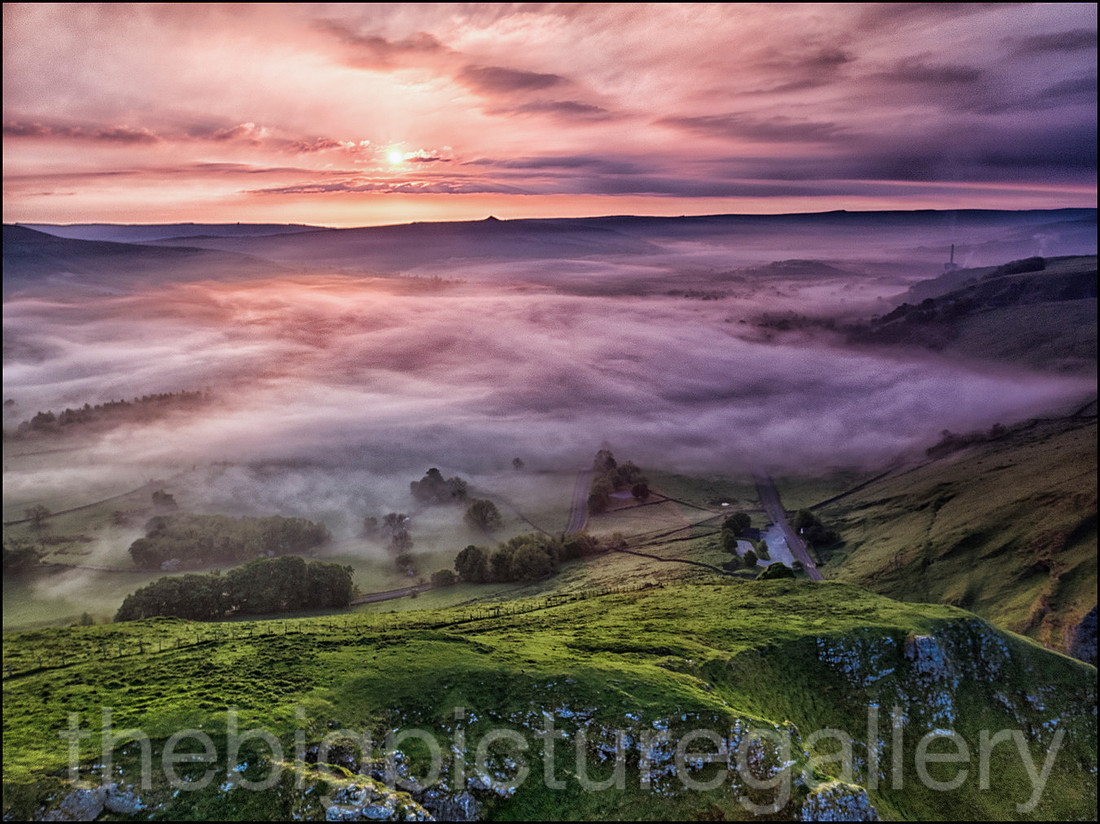
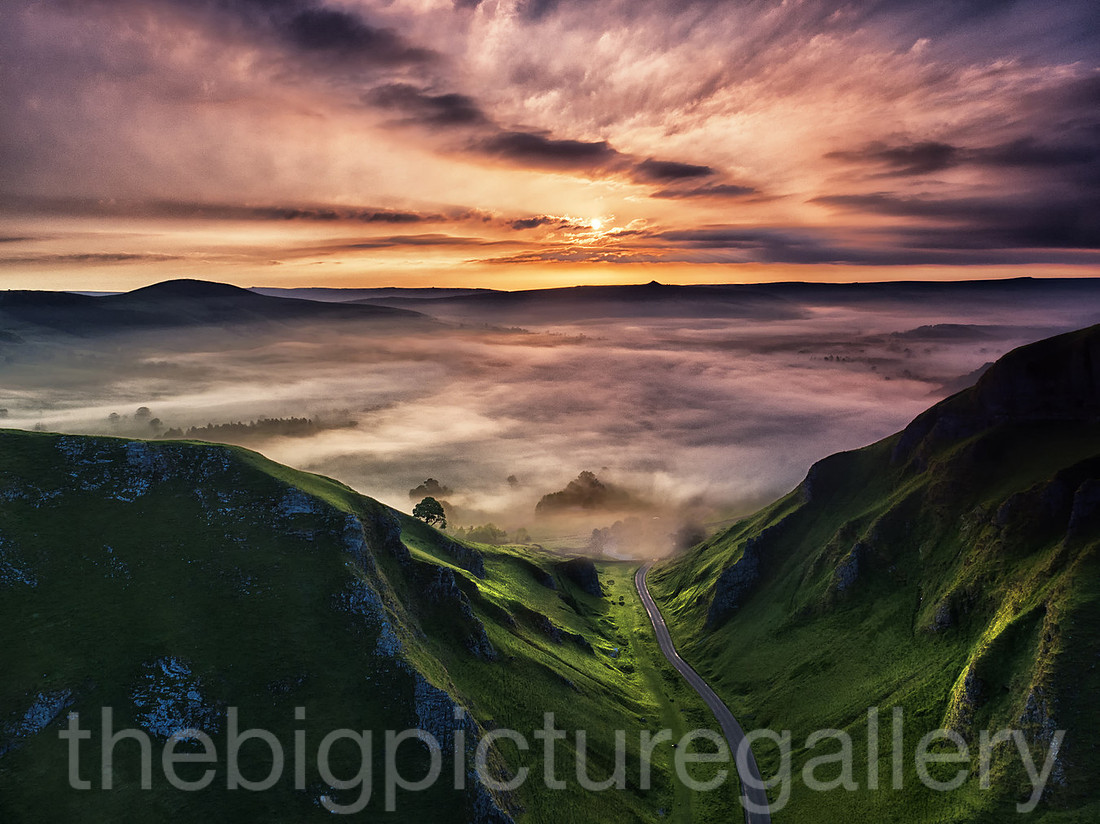
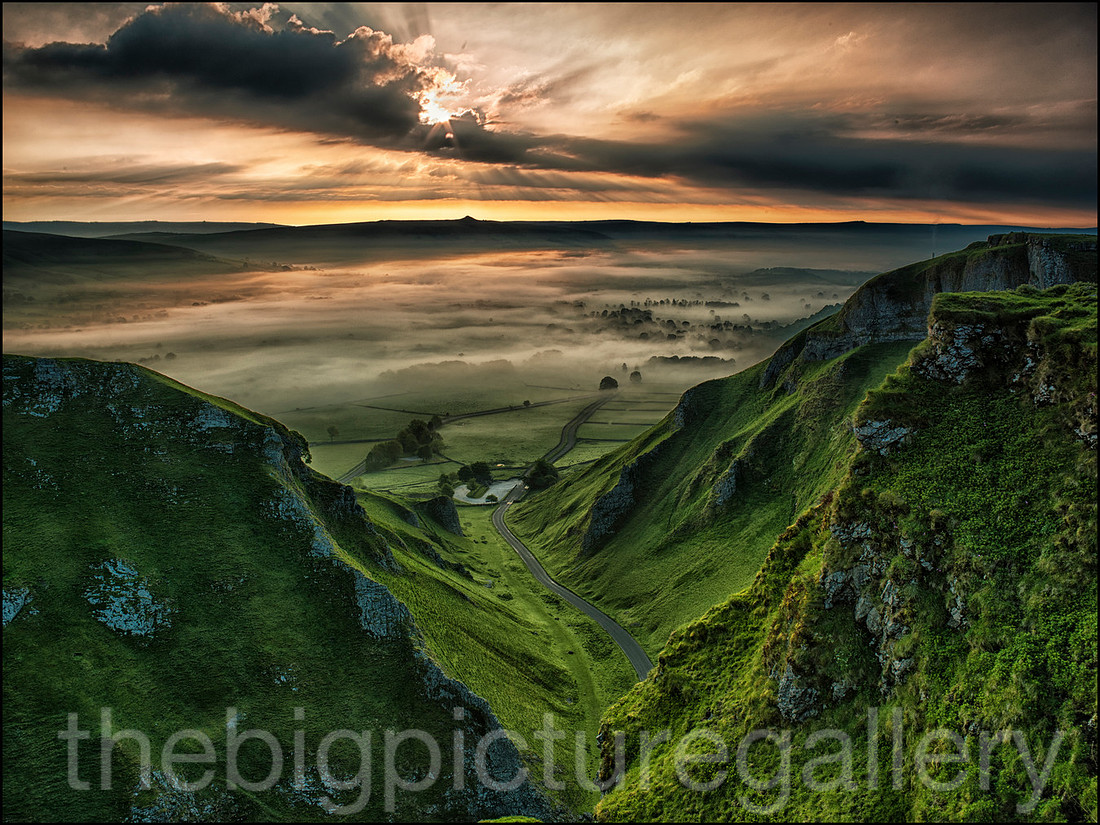
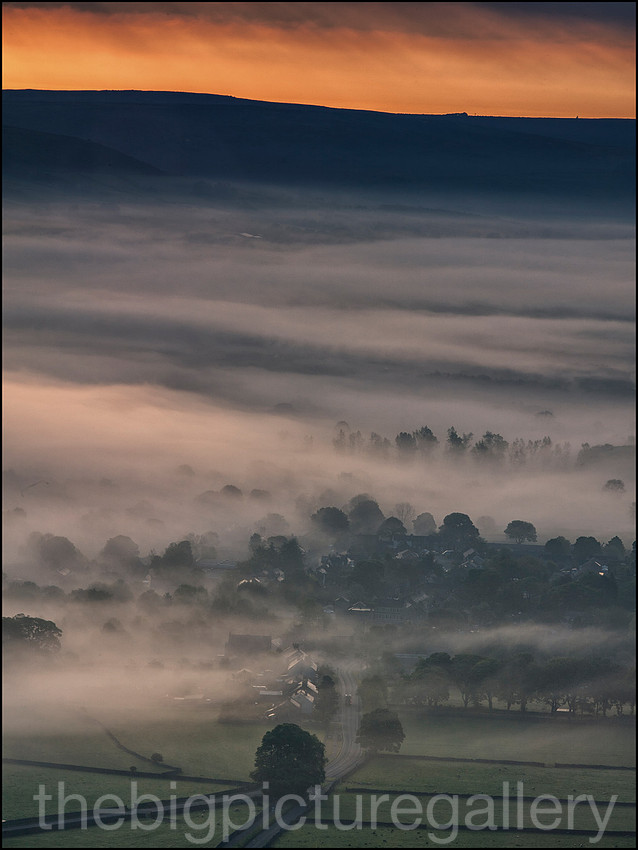
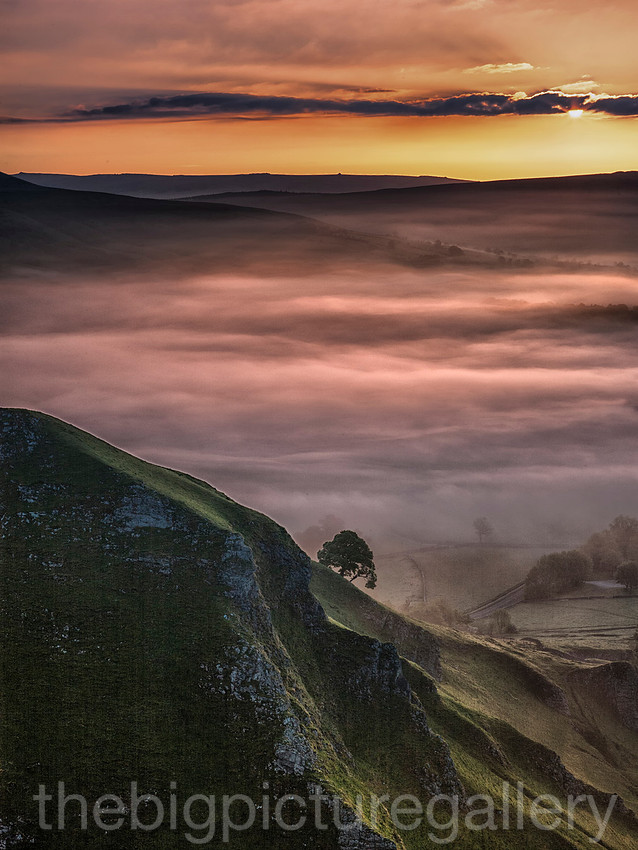
A great sunrise
Whenever I plan to go out, one thing that cannot be relied upon is the weather, ofter it will just throw a massive spanner into the works. Last week we had some stunning summer weather, tempretures on par with Spain I decided to get out and shoot a sunset. I hadn't been out in several weeks, and was itching to get out of the office. So grabbed my gear and headed out to Winnats pass near Castleton. Bearing in mind this is a round trip of 70 miles, I hoped the weather would play its part. The nearer I got the lower my heart sank, cloud had moved in and turned what was to be a cracking sunset into nothing. Hey ho I thought I will still give it a go, planning on setting up and waiting to see if the cloud parted.
One thing I have always done in my years as a photographer is to always check my kit before I go on a venture, so imagine my anger and dismay when I got the camera out of the bag with a flat battery, and no spare. The mamiya 645 takes a lithium battery good enough for several months use when fully charged. To say i was annoyed would be an understatement. As it was the cloud never shifted. Whilst at the location I chose several points to check my compass readings and started planning a sunrise shot for later in the week.
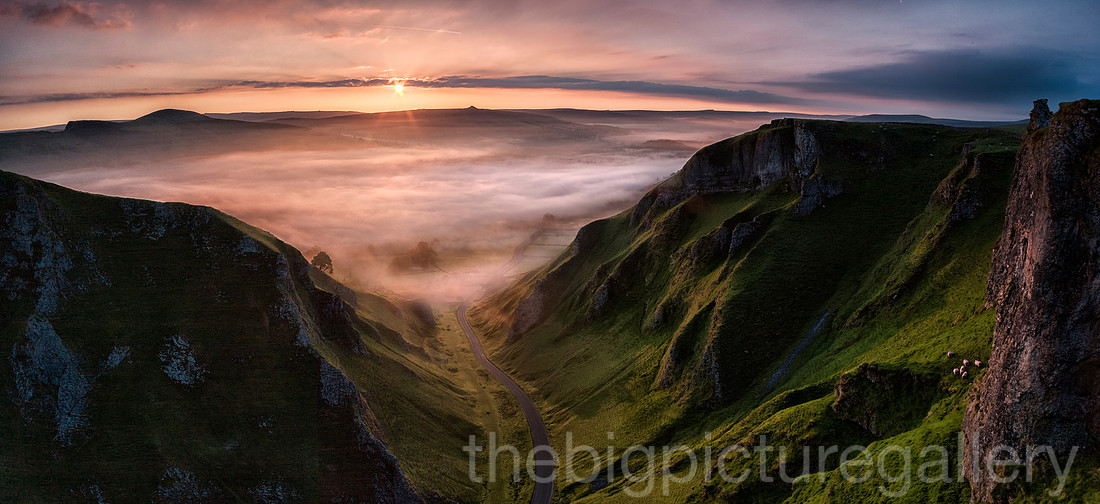
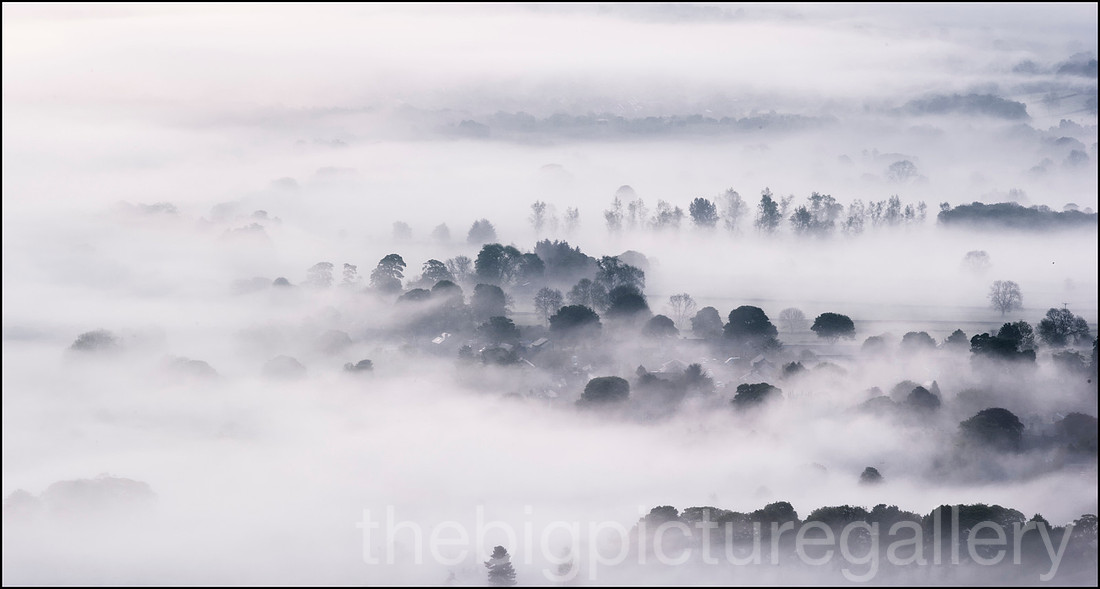
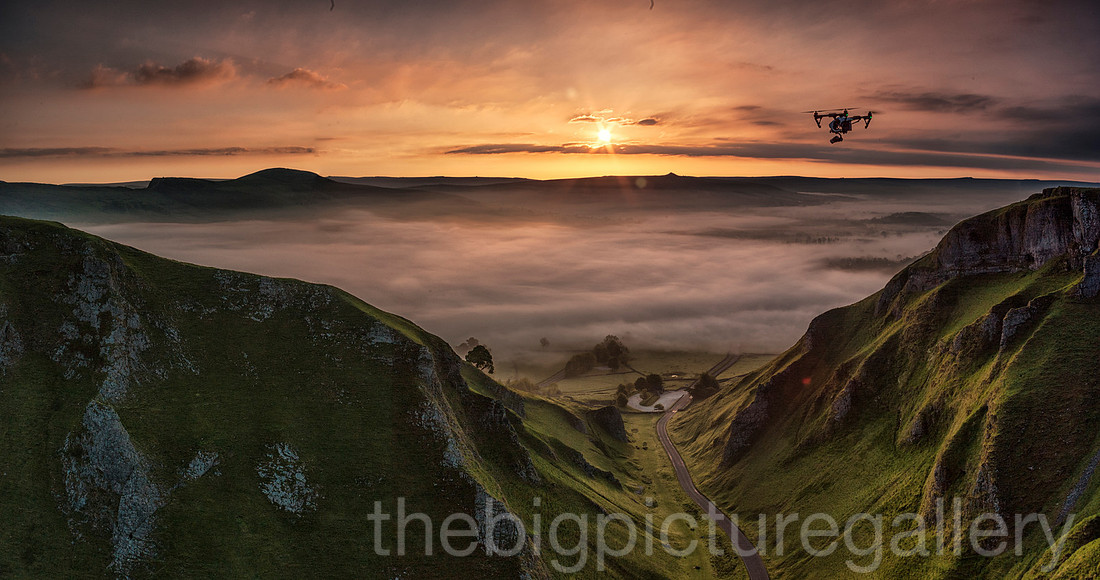
Two days later and I was up at 3:15 am, and out the house within fifteen minutes, batteries fully charged ready to roll, dawn was breaking and I knew it would be a good one, very little cloud on the eastern horizon. On the way I noticed several areas along the A515 were really misty, now that would be the icing on the cake to get an inversion as well. I was also going to give the drone an airing as I hadn't flown for awhile. Parking up at the spot, my excitement hit new levels, the weather was fantastic, and no other photographers were about. I just love shooting at dawn, watching the world come awake, for that first hour the light and atmosphere are just magical. As the sun rose the inversion grew, and within half an hour of first light the whole of the Hope valley was covered. The sight was quite ethereal. Images were taken using the Mamiya 645df with Phase 1 P21+ back, using 35mm and 210 mm lenses. Drone used was the DJI Inspire pro X5 with 12mm zuiko lens.
Spring is with us
A few days ago I took a trip out to Winnats Pass near Castleton to shoot some spring images, I was also testing out a new ballhead for my Gitzo tripod. My old ball head was looking seriously worse for wear cosmetically. I recently visited the Photography show at the NEC purely to go and test a few products I was interested in. Looking for a new ballhead in today's market gives you so many options to think about. I drooled over a few tripod heads the Arca Swiss was a trult fantastic piece of kit but I could not justify the expense. I wanted something that was well made, quite light and that had a very easy and smooth adjustment method. I settled on the Novo CBH 46 which ticked all my boxes. You can find a link for the Novo products here https://www.ukoptics.co.uk/brands
The head itself is extremley strong, and very well built in both fit and finish, it holds my mamiya 645df and Phase One back without any slippage. The arca swiss qr mount is easy to attach and locks into place without any fear of the camera flying off. Its very easy to use and has a level of adjustments that is really smooth, also features 2 panaoramic lock buttons and a easy to see spirit leve' Set up the tripod using the level, lock it off and attach the camera job done. All in all a really nice product and one that I am pleased to be using.
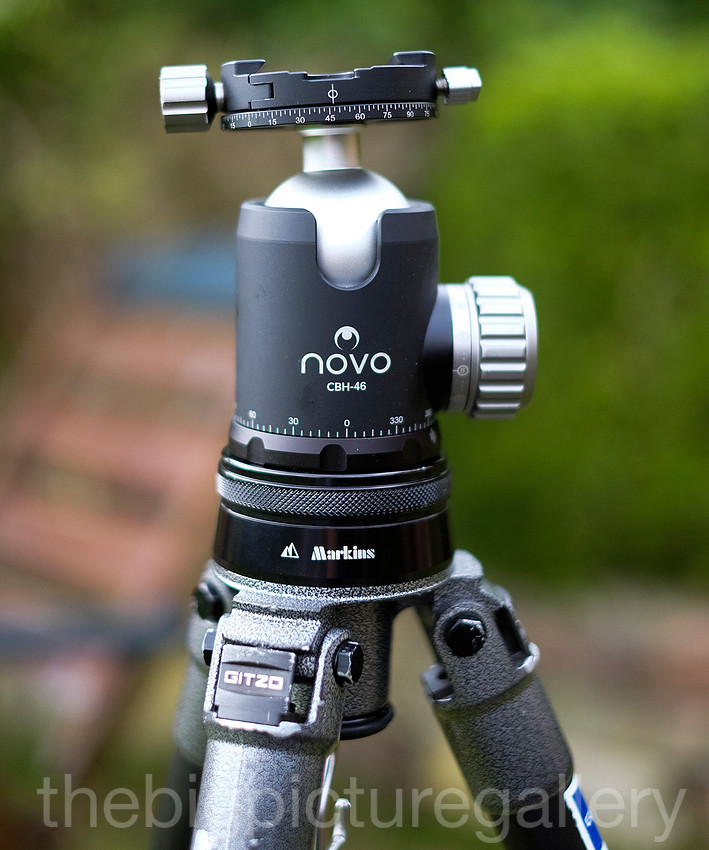
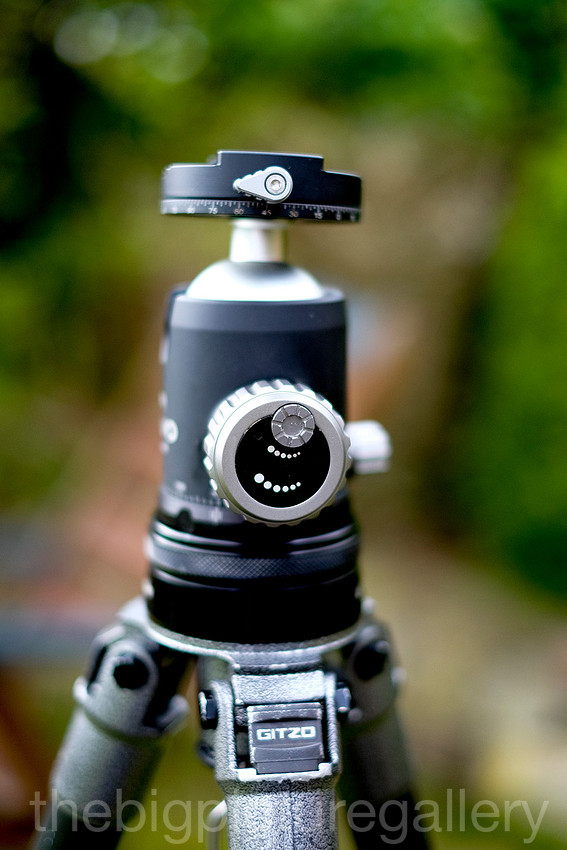
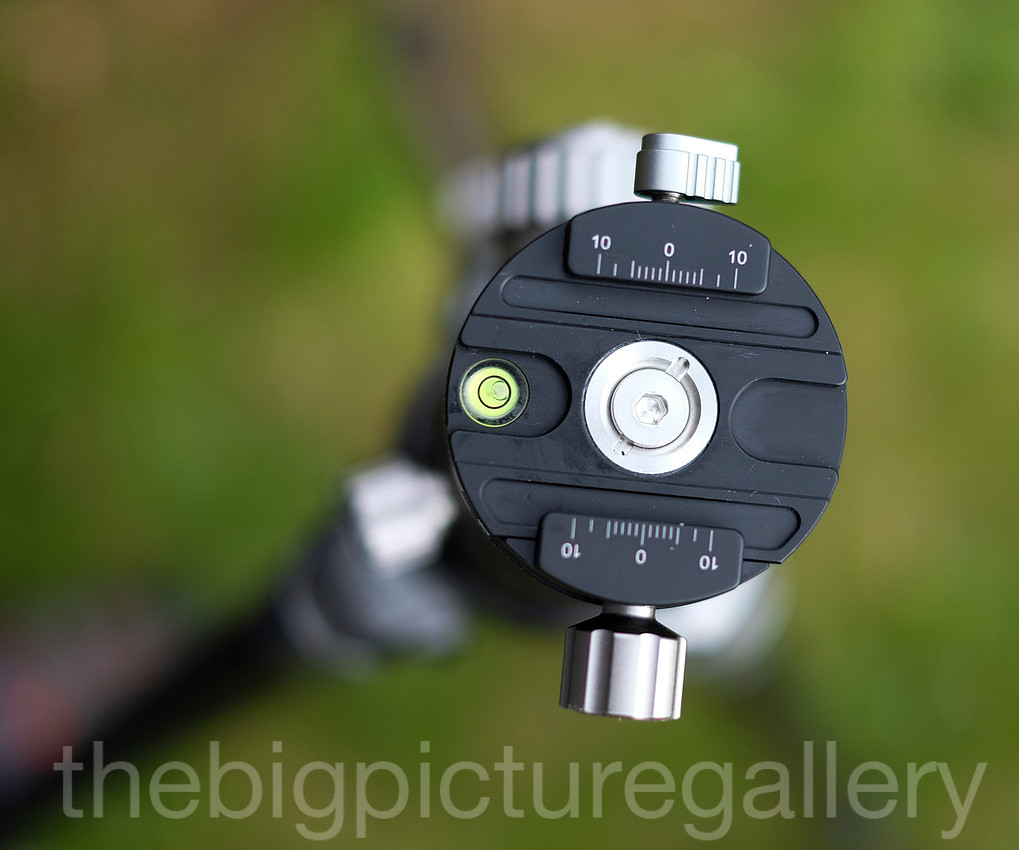
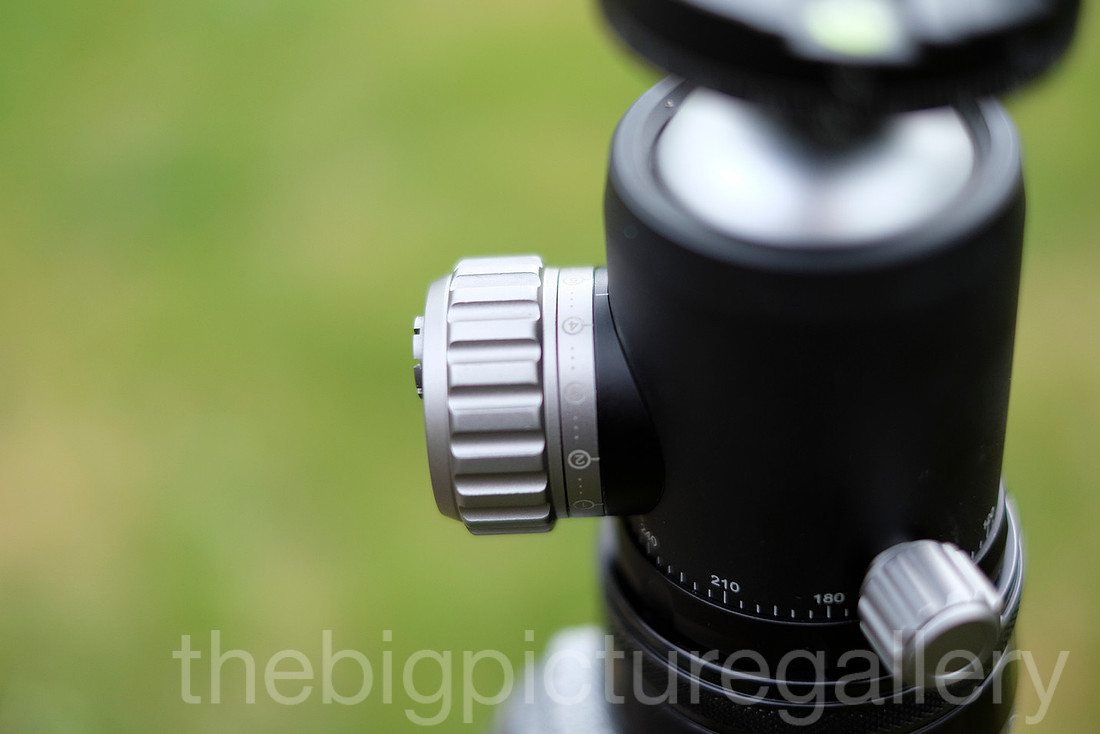
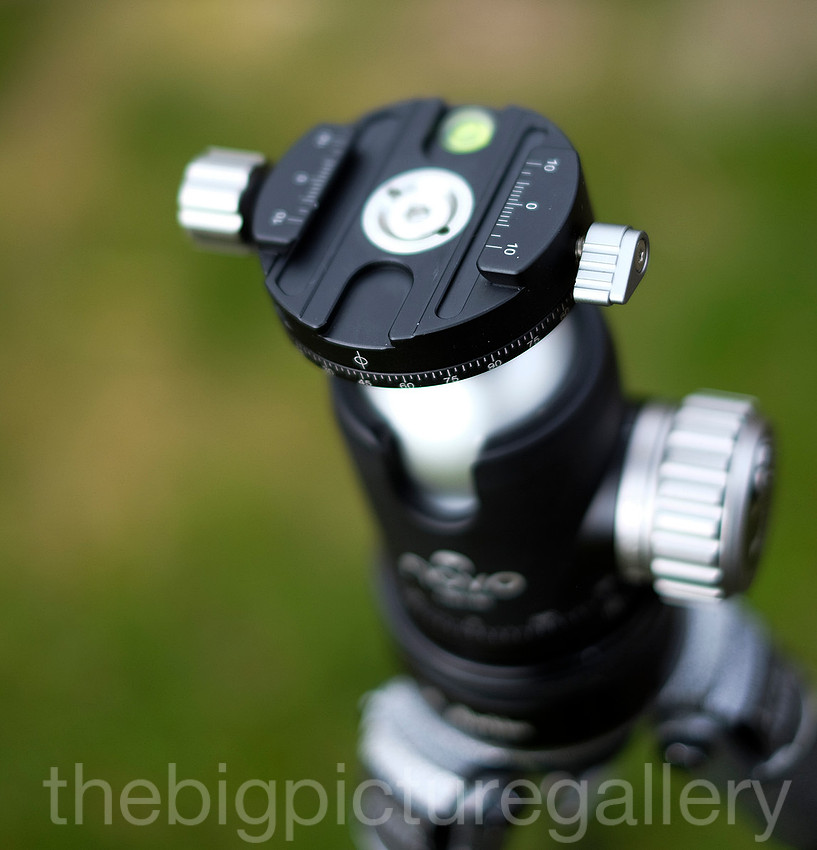
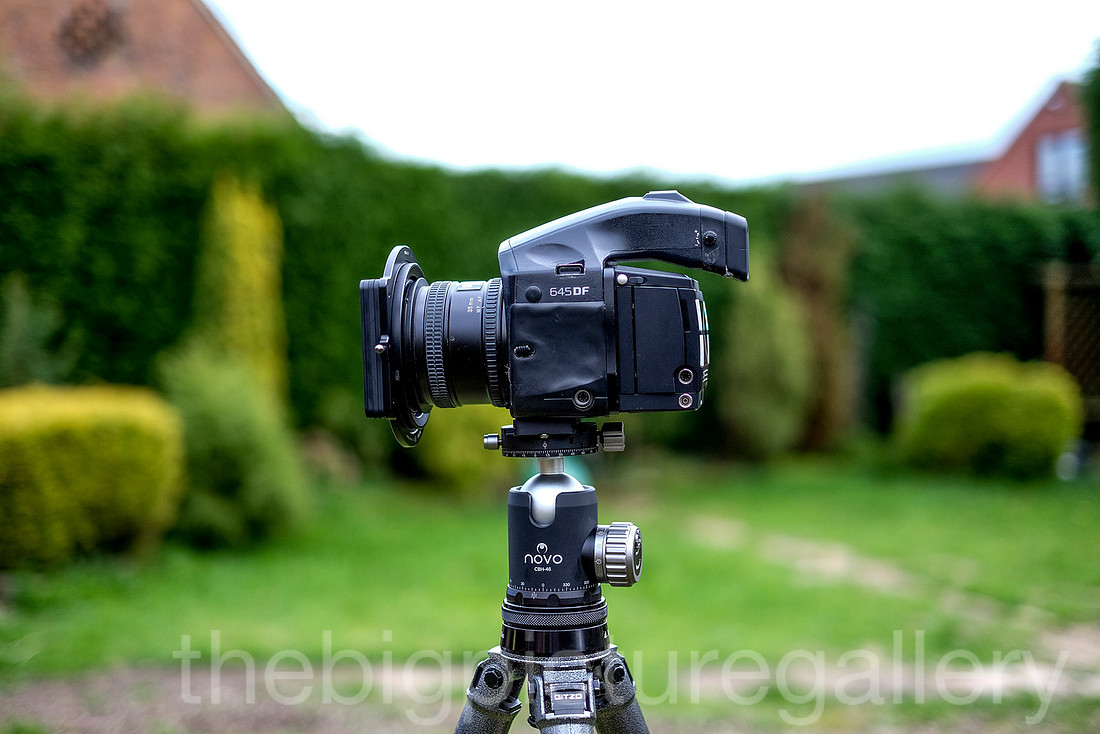
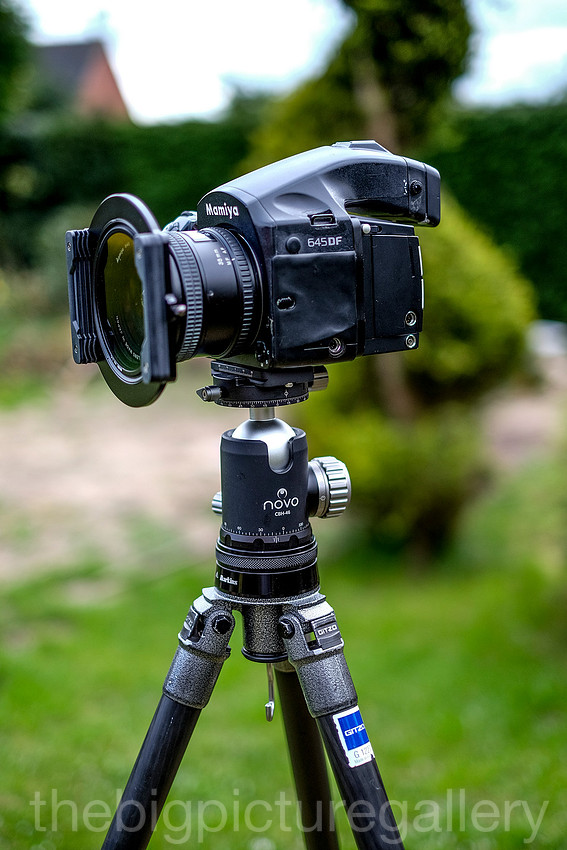
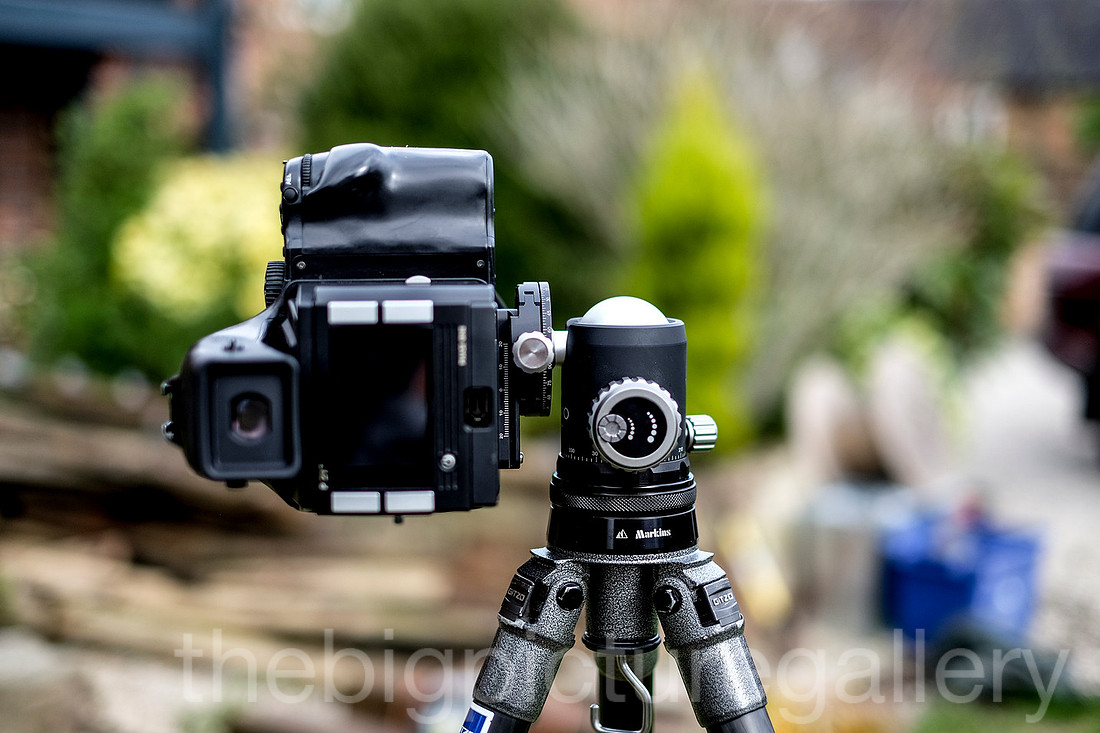
So the test in the field went well even though the wind was quite gusty the whole rig felt really well balanced, even did a couple of long exposures of 4 minutes to see if there was any movement. Nope locked solid this baby don't move.
The light over the Great Ridge and Mam Tor was contantly changing due to the high wind and clouds, it was nice to see the light moving over the hills as the clouds moved so quickly in the strong winds.
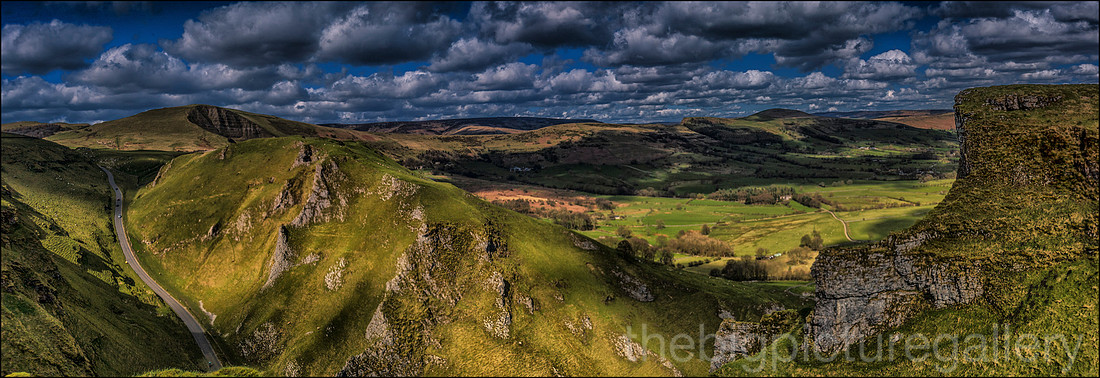
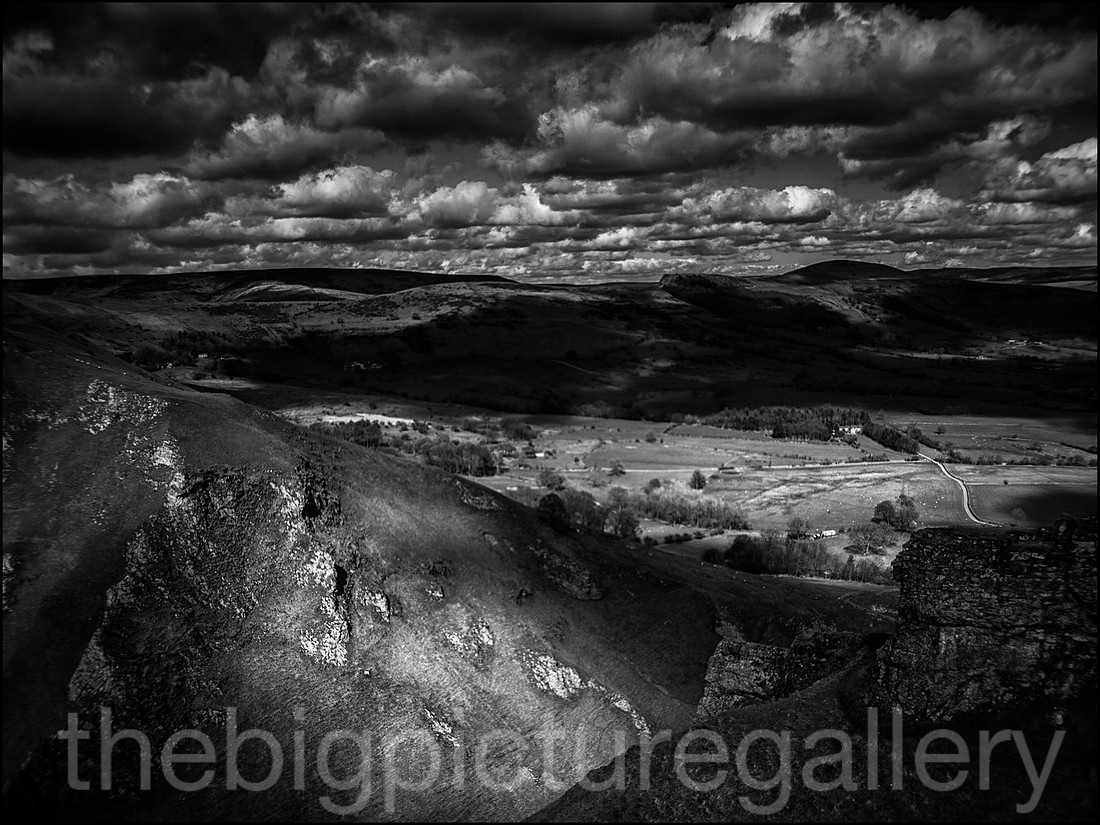
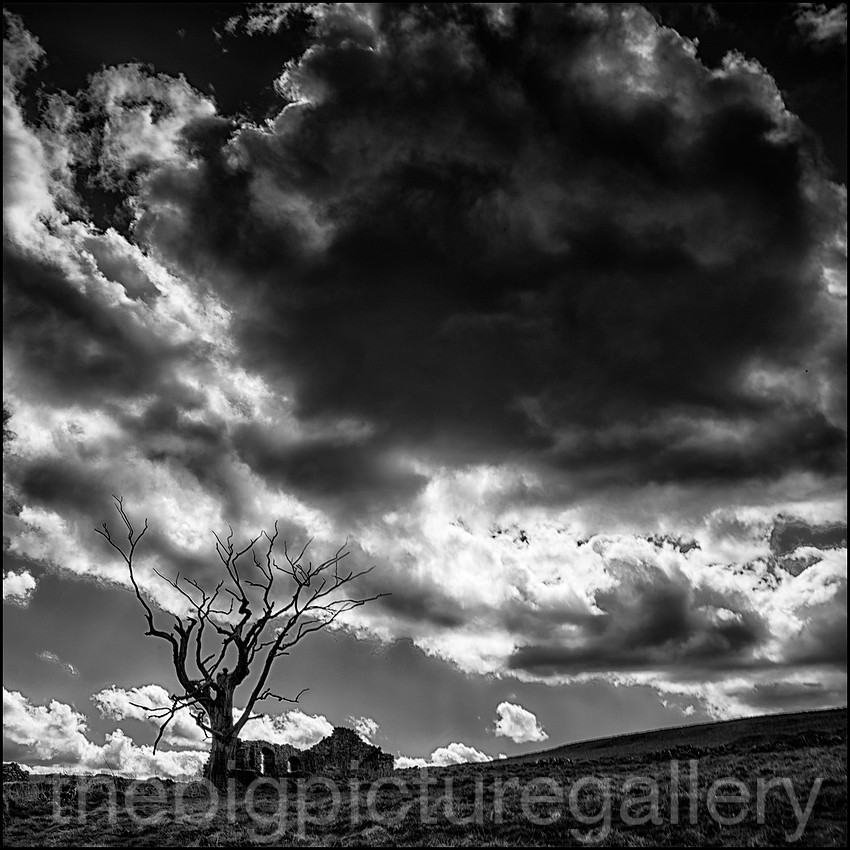
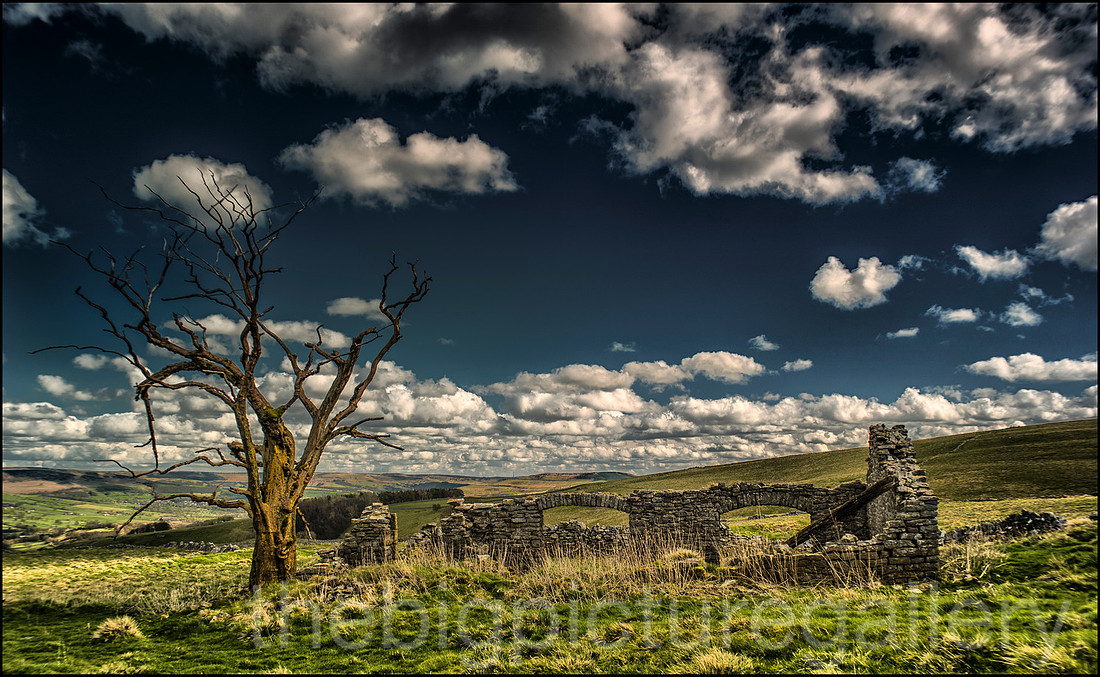
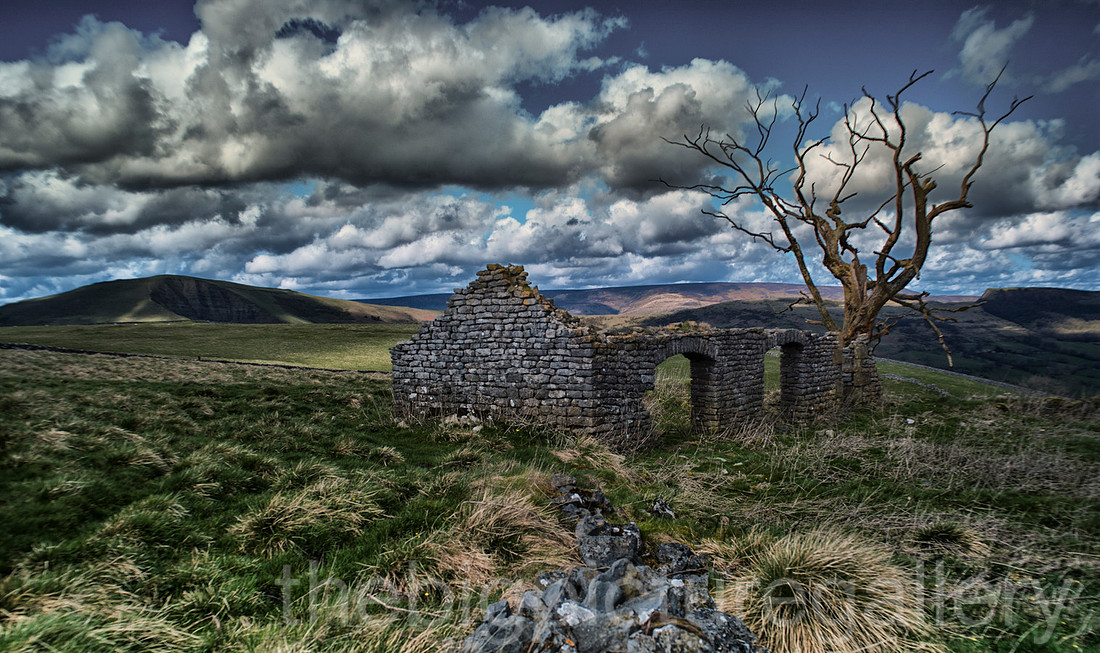
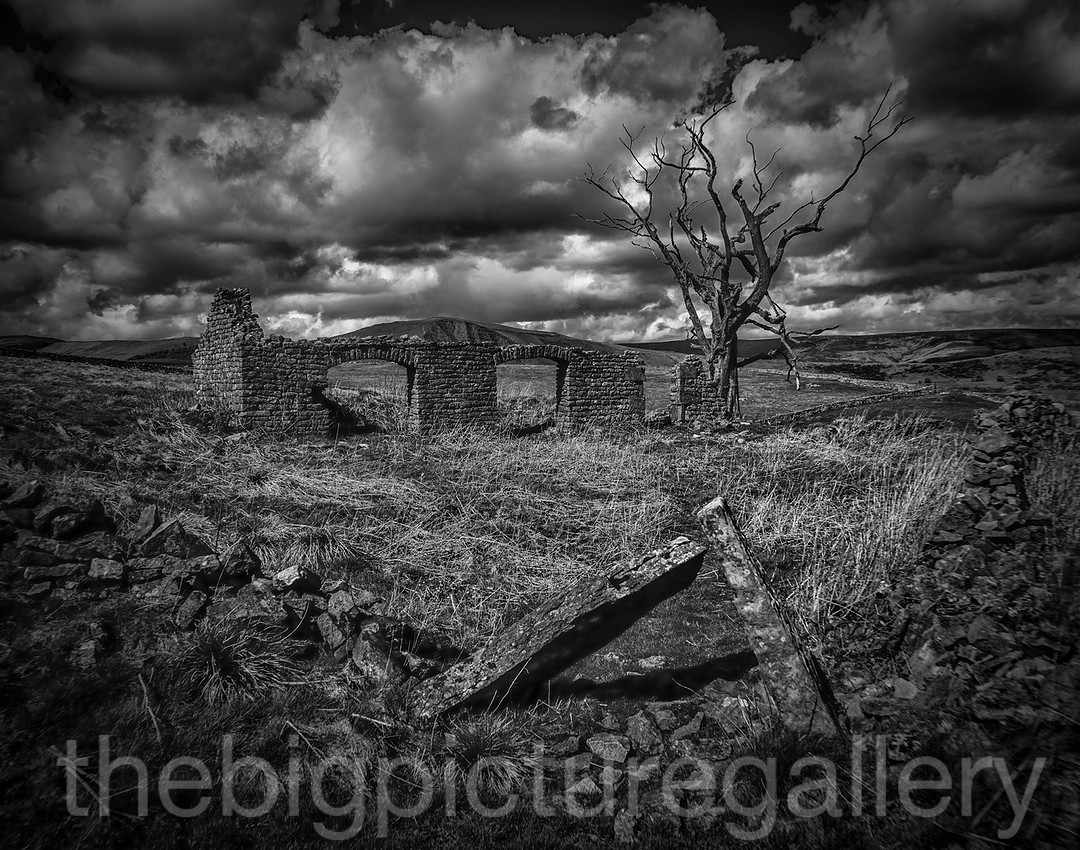
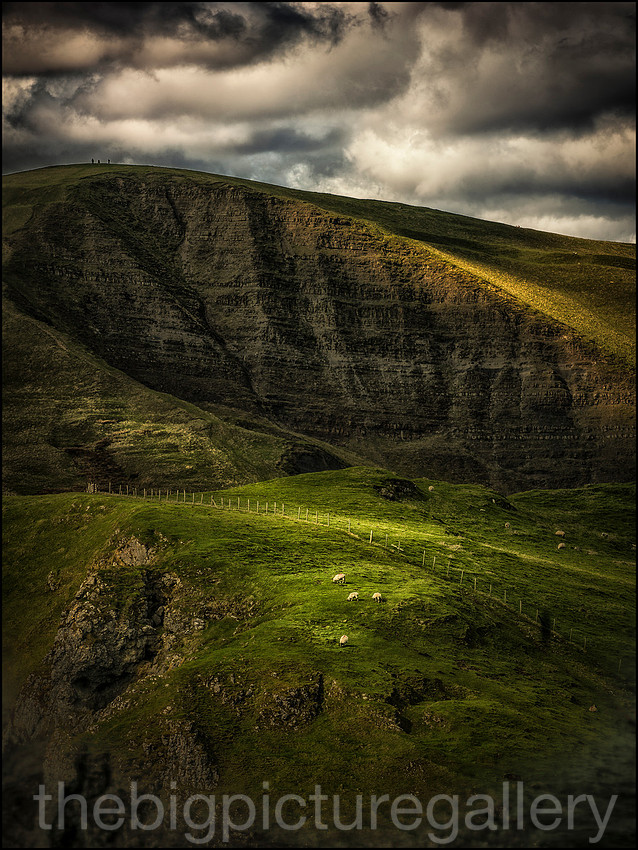
All the images from the Winnats Pass visit were made using the Mamiya 645df Phase One P21+ back, using 35,210mm lenses. ND Grad and Polariser.
The best laid plans
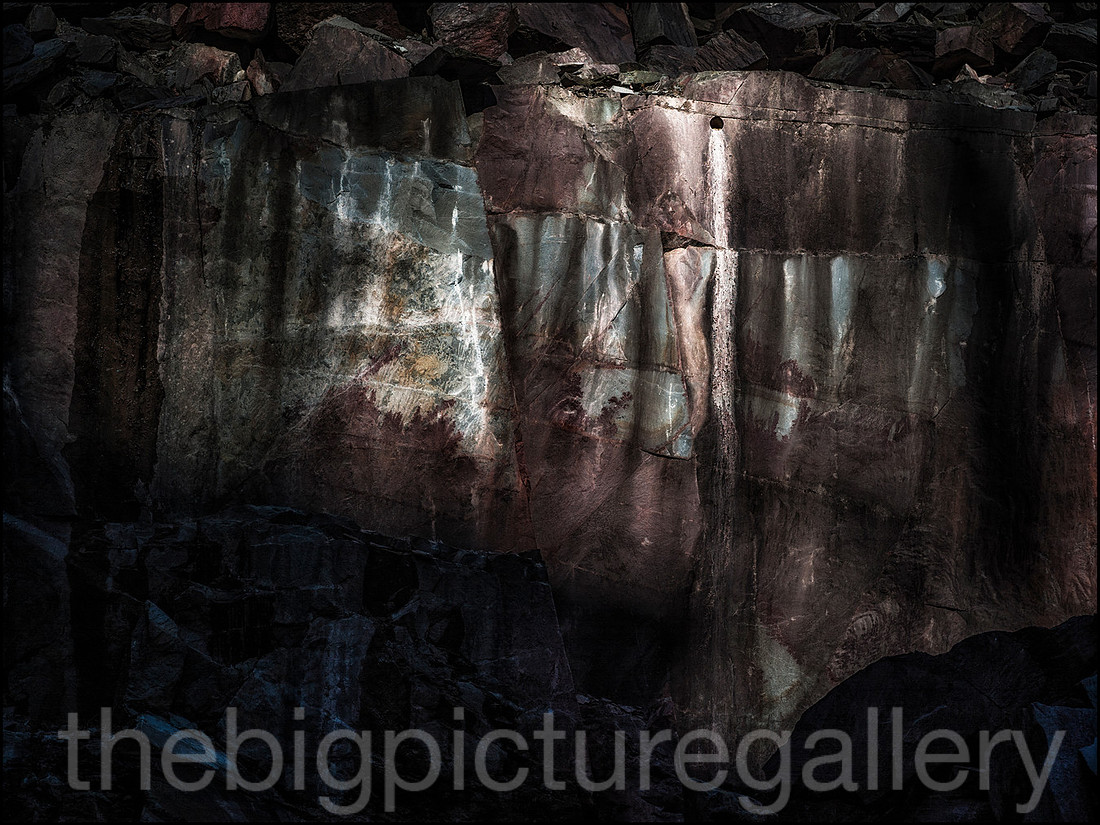
Having a good plan is always a good approach to getting the best out of the location your intending to visit. I am starting to venture further afield in my photography, as we have such a beautiful country to explore. I had been wanting to go to the Lakes since my last visit to Wastwater a couple of years ago. As usual things and weather get in the way, but this year I have made a promise to escape the confines of Derbyshire and get out to some of my planned locations.
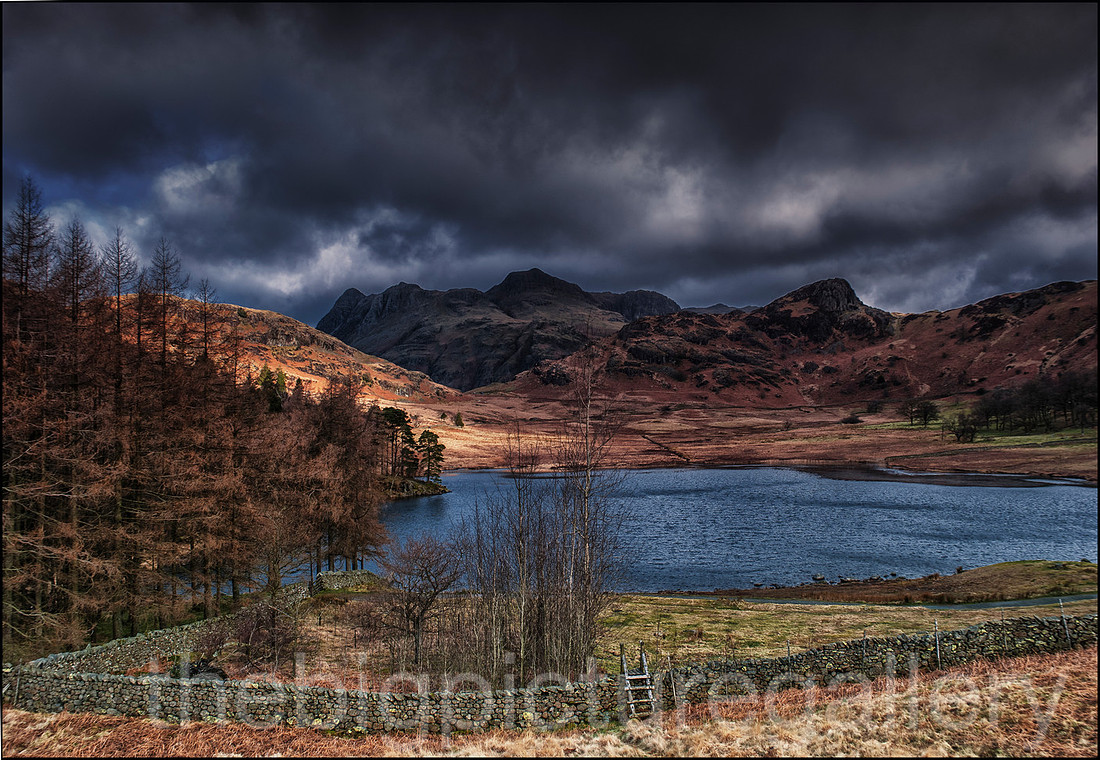
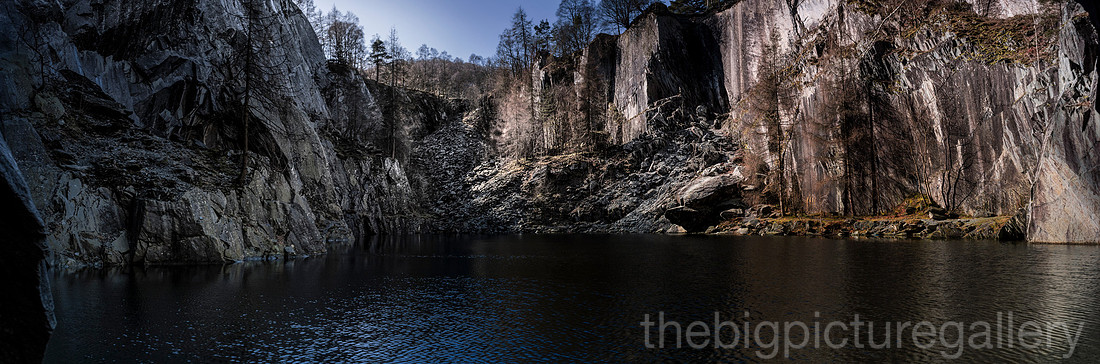
So with a decent weather window I had pencilled in the Langdale Valley, and a disused slate Quarry as my preferred locations, it would suit the sunrise time and the view of the Langdale Pikes are perhaps the most iconic in the Lakes. A 3.30 alarm call got me up and out the door by 4am, and I made good time up the M6 feeling happy with my choice the weather was looking fantastic. An hour into my journey I saw the dreaded motorway closed sign, and proceeded to divert off the M6 due to a lorry fire. This cost me an hour in time, racing up thorugh Windermere and Ambleside I finally made the location well after sunrise, but hey ho what can you do.
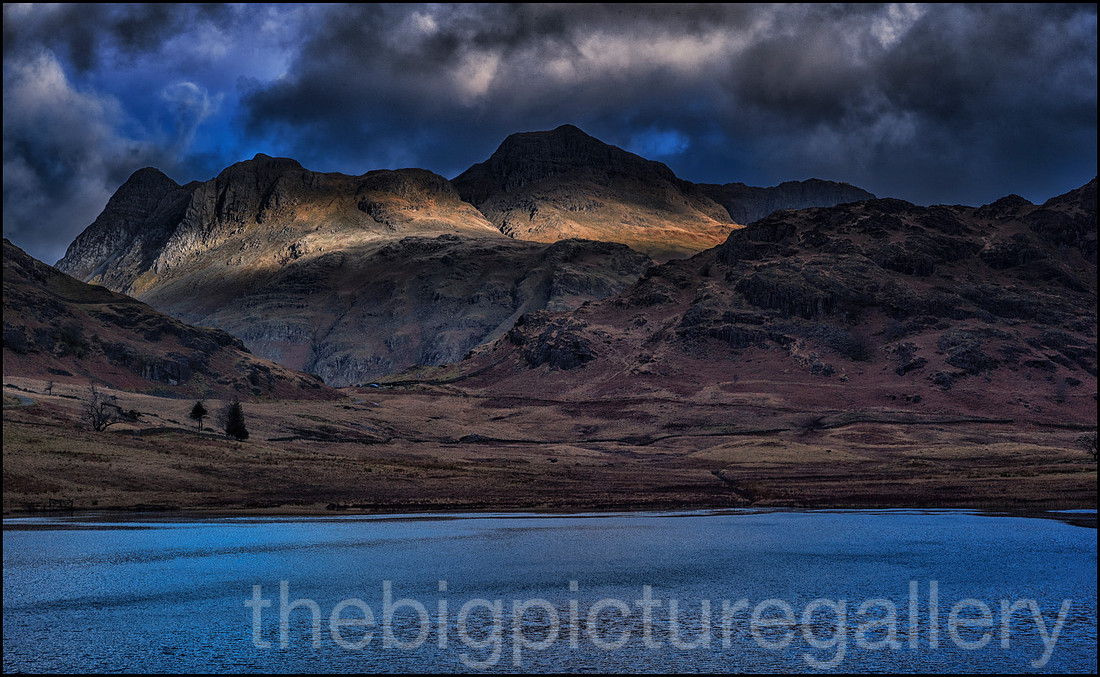
As it was the Pikes were under some brooding clouds, I set up shop at Blea Tarn and waited to get some light on the scene in fornt of me. I had opted to shoot some really long exposure frames, but the weather for that first hour was bloody horrible, with strong gusts of wind bringing in a few rain squalls, fortunately I had brought along a rather large brolly which kept the kit dry. The couple of long exposures I shot were trashed as over a preriod of a few minutes light drops of rain found the front of the filter. I was beginning to think that the journey up was going to be a washout. I was getting deeply frustrated, and also a slip on a rather wet bank left me with a soaking wet backside.
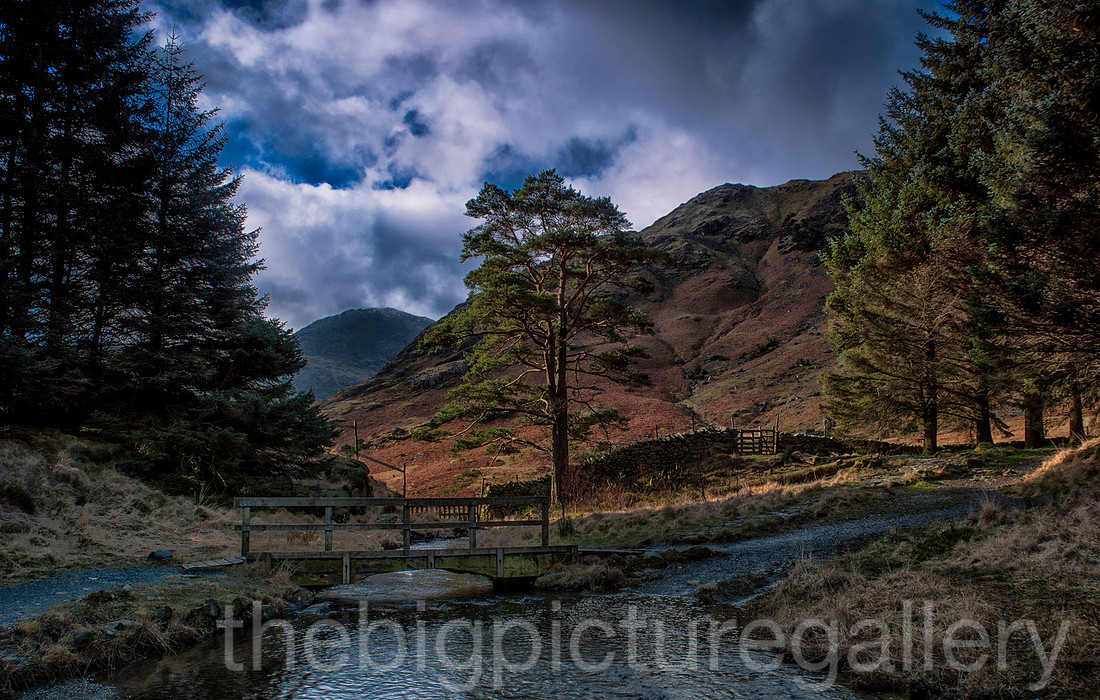
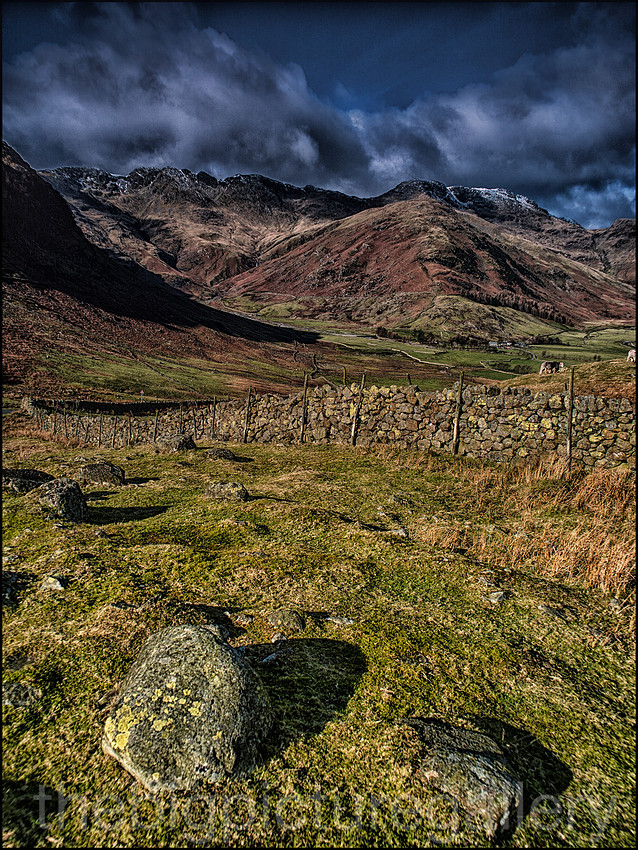
The sun then appeared round the back of Lingmoor Fell and the whole valley was lit with this gorgeous light, I was once again a happy camper. Taking advantage of this I moved around various viewpoints looking for good compositions. I was satisfied with what I had managed to capture. I went on to recce a couple more spots for a later visit. Then headed off to find the Quarry.
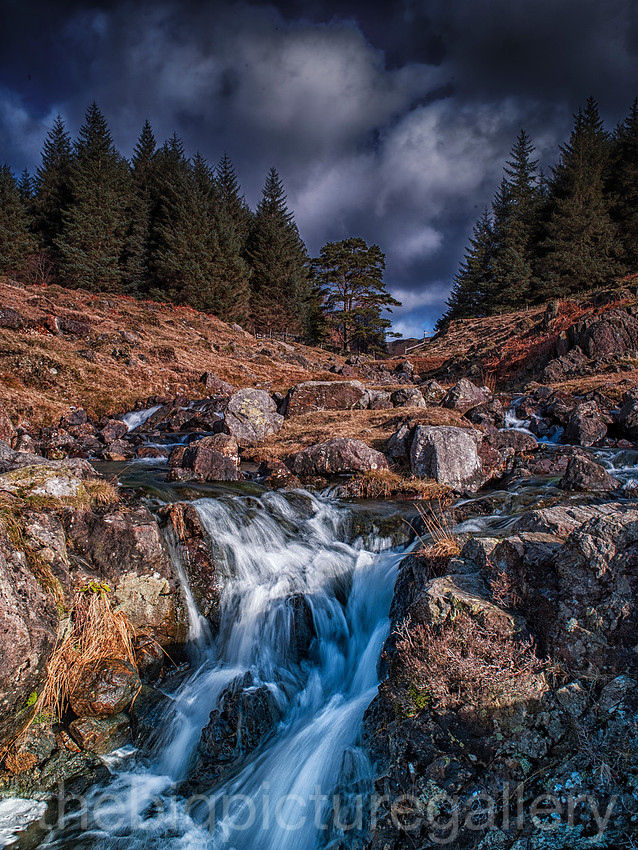
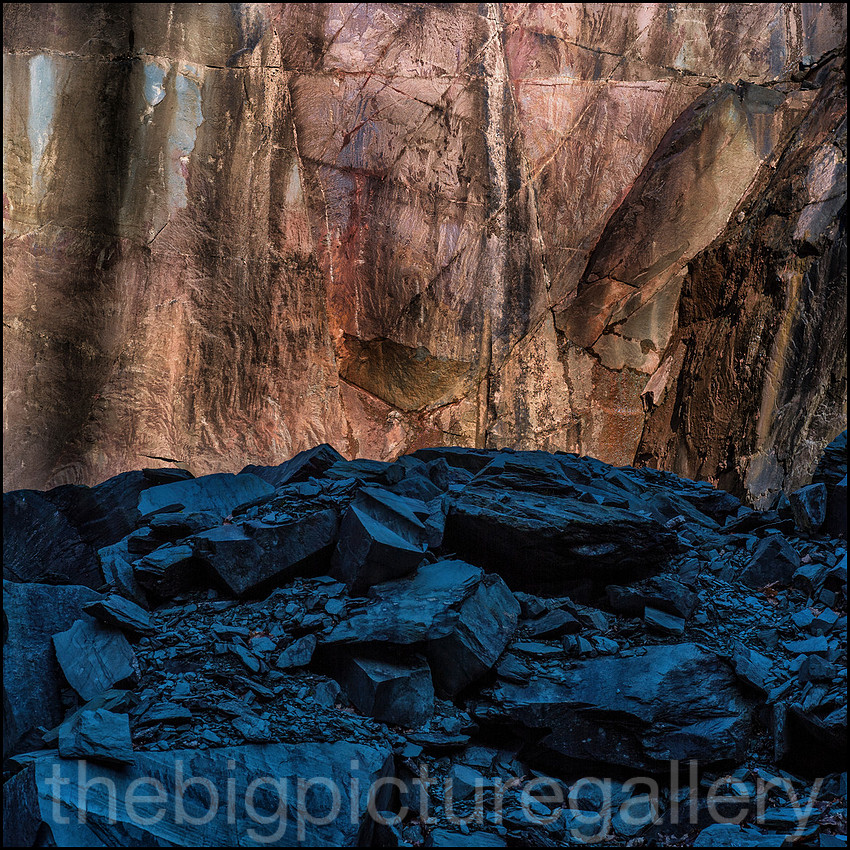
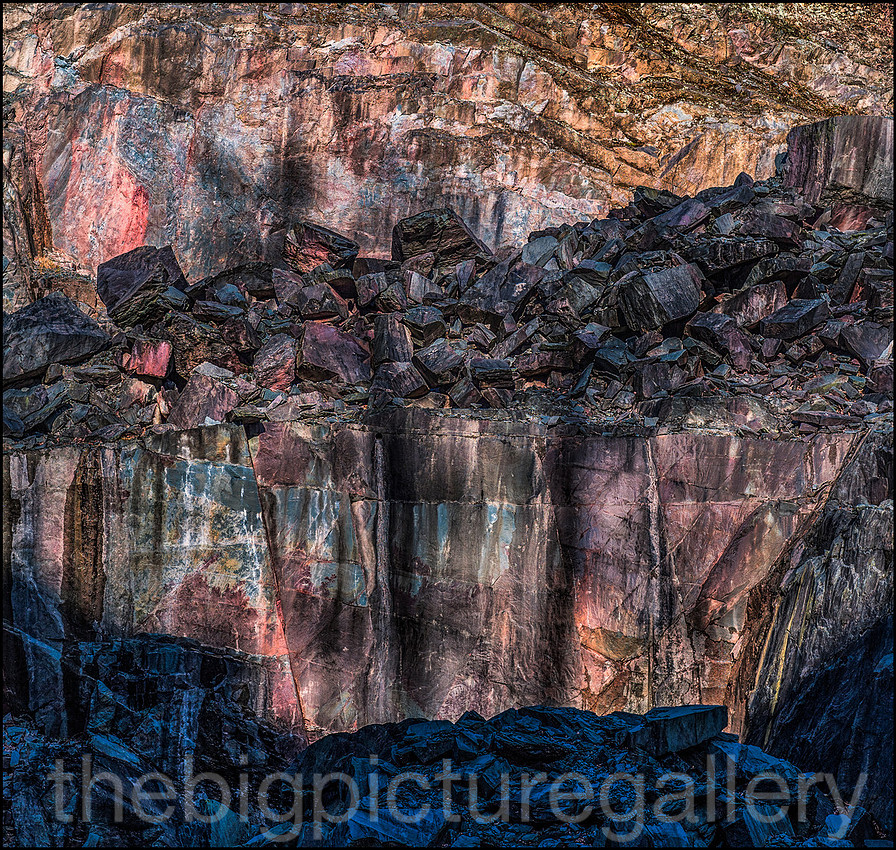
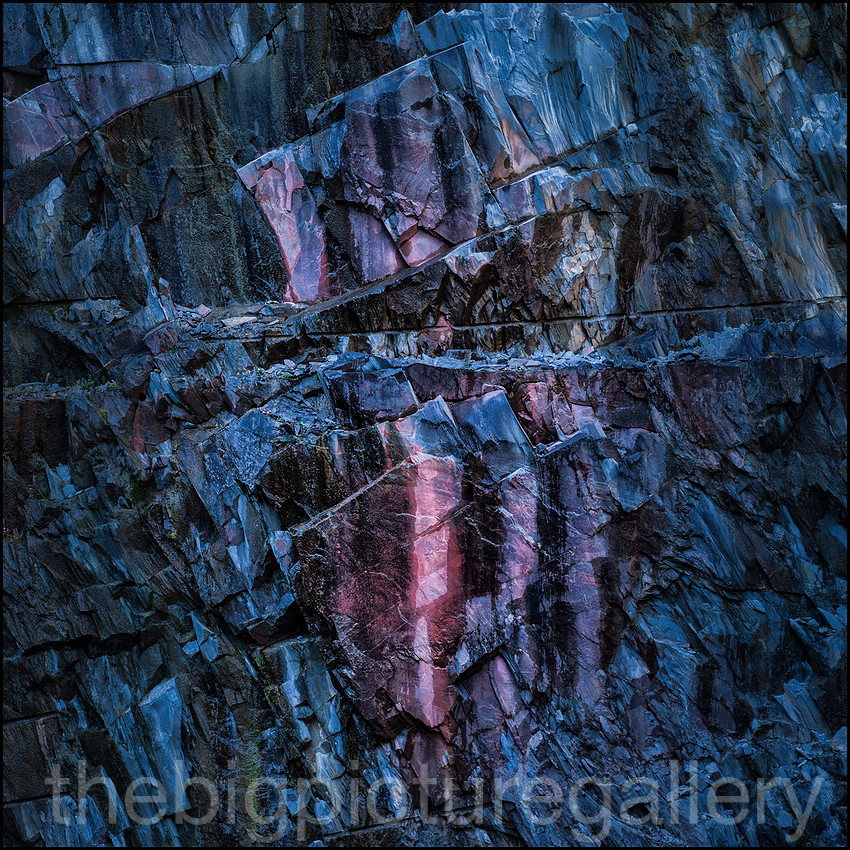
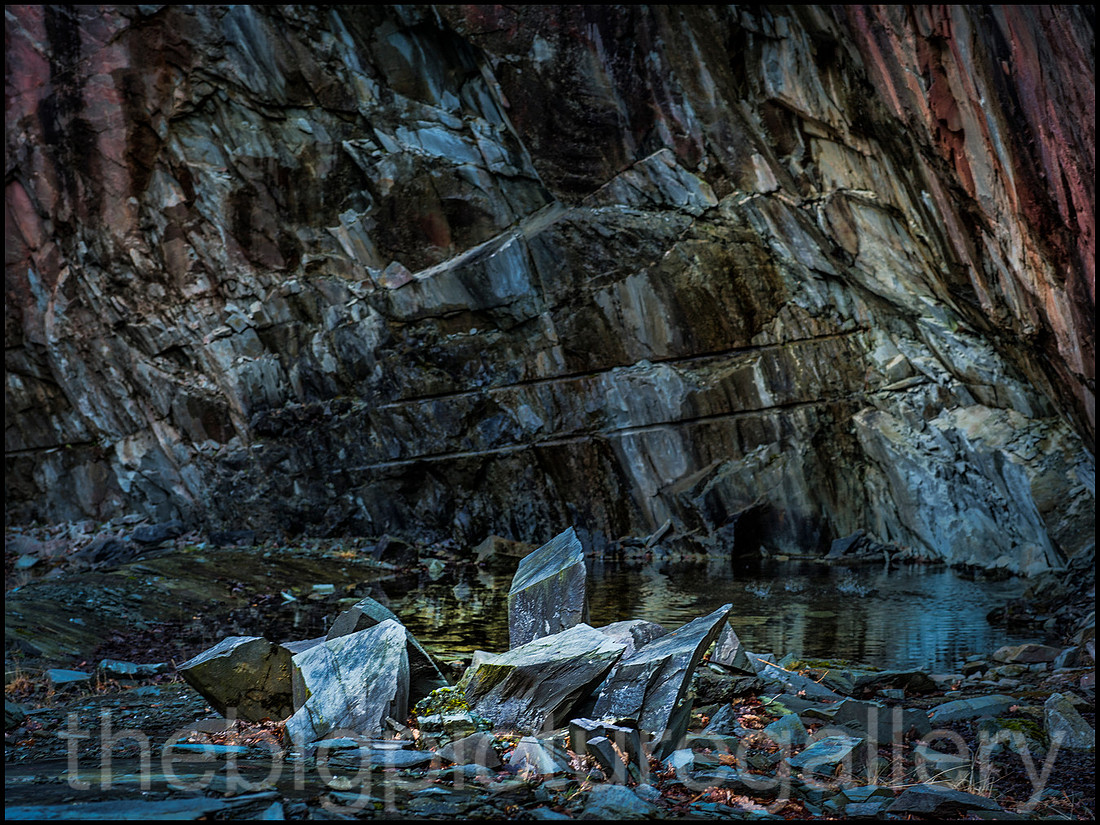
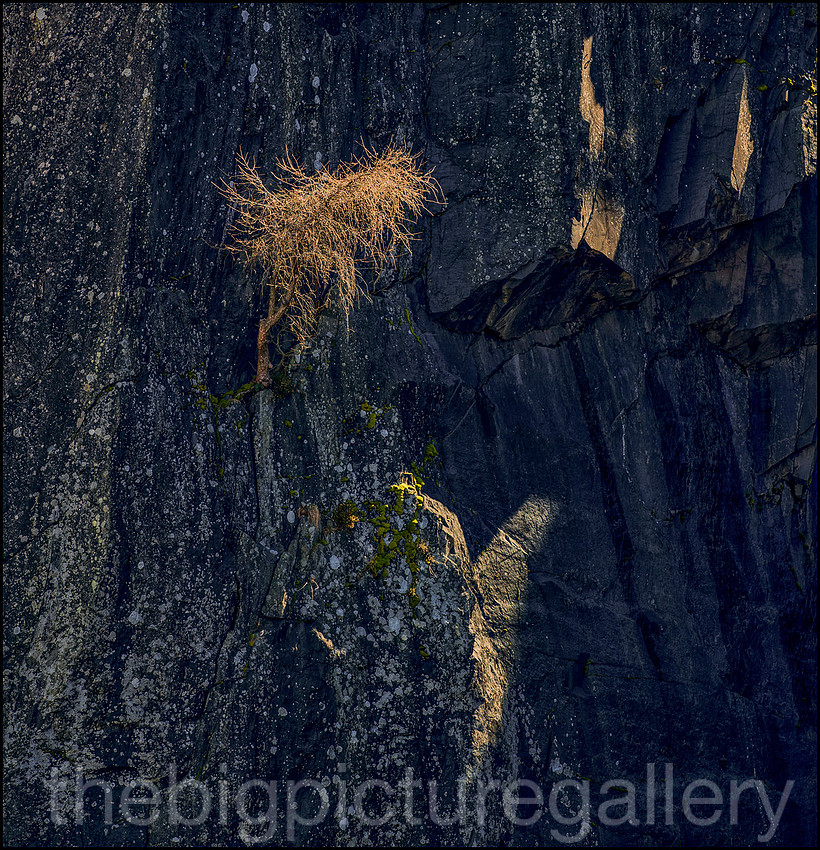
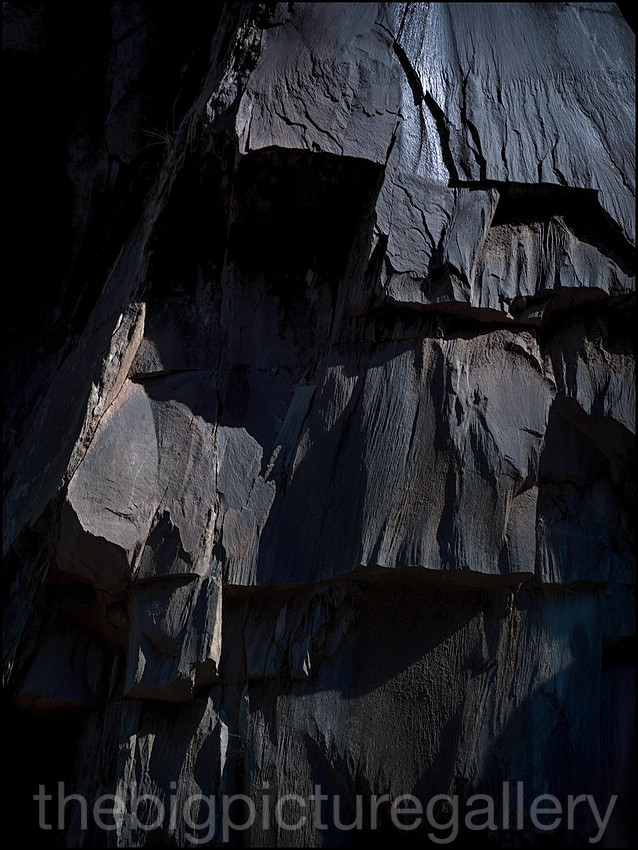
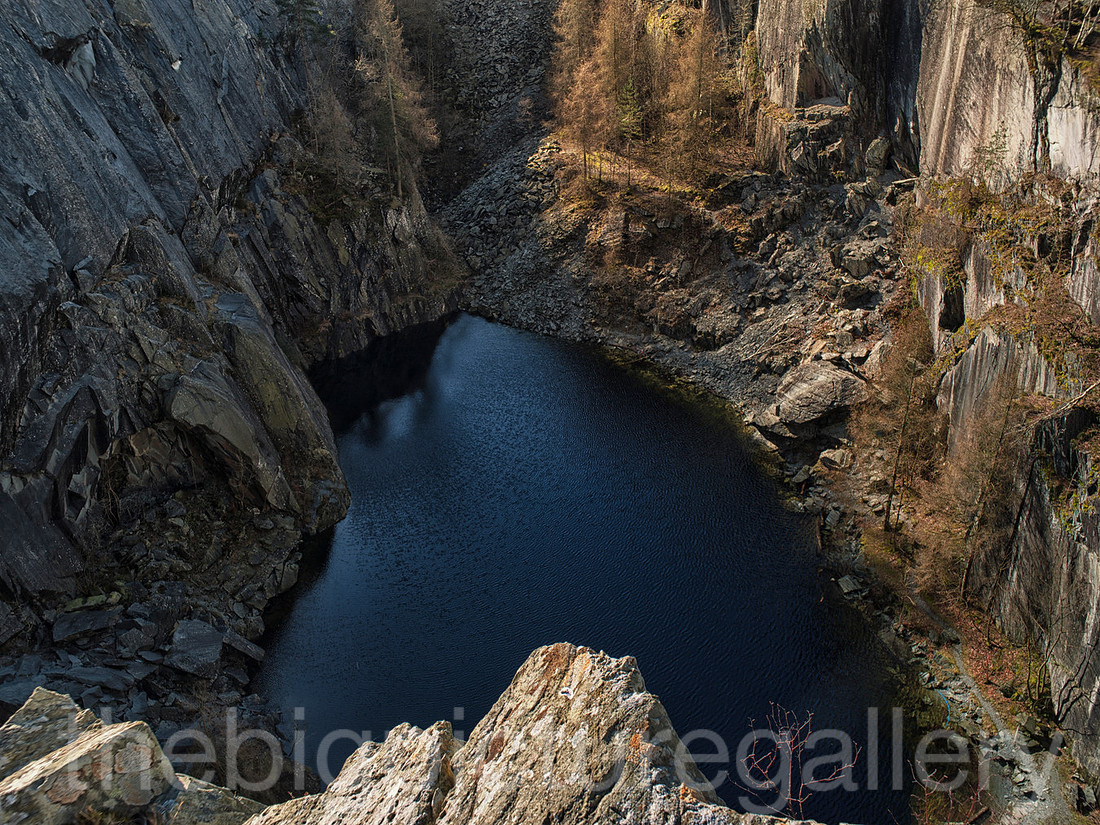
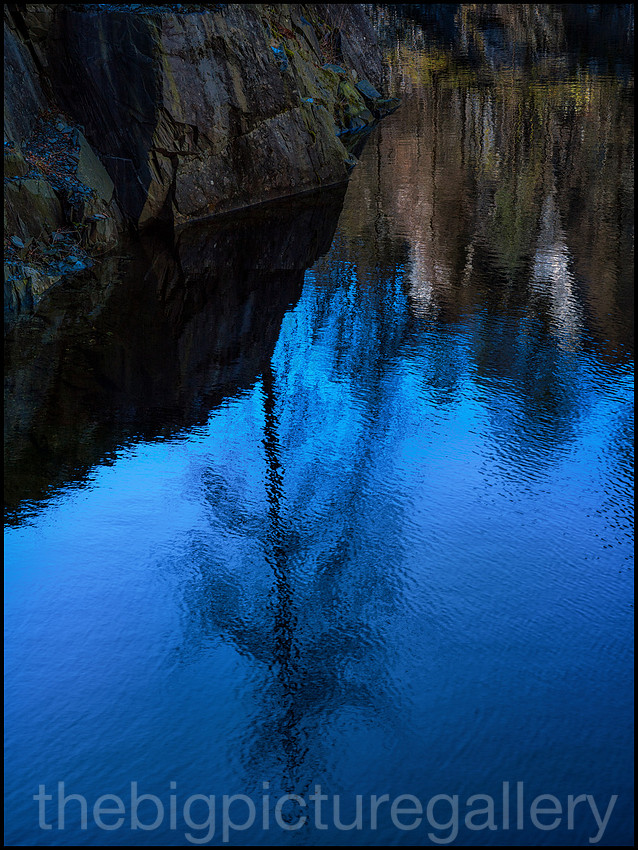
The Quarry was a fantastic place to visit, and concentrating on getting some abstract images I was not disappointed, the light was getting rather flat though and bt about midday I headed into Castleton to grab some lunch and a brew. The whole of the Lakes was bathed in glorious spring sunshine, and a fantastic blue sky, but for me the day had ended, I like my light a bit moodier. Making tracks back to the M6 i thought I would be home for around 4pm, except the southbound section was closed and the jam I was trapped in would take another 8 hours to clear. I finally got home at 10pm totally spent.
All the images taken, were shot using the Mamiya 645df, using the 35mm, 80mm, and 210mm lenses. The images are 16bit raw files processed in Adobe CC and Lightroom. I used the following filters nd grad .6/.9 and a colour polariser.
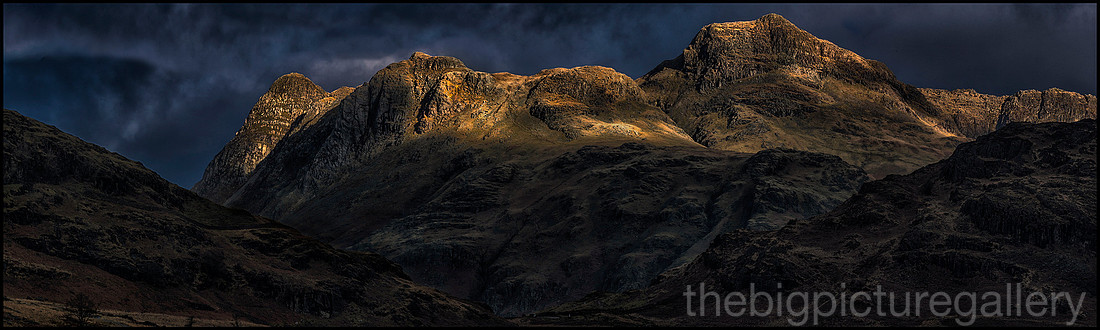 First light Langdale Pikes, Cumbria
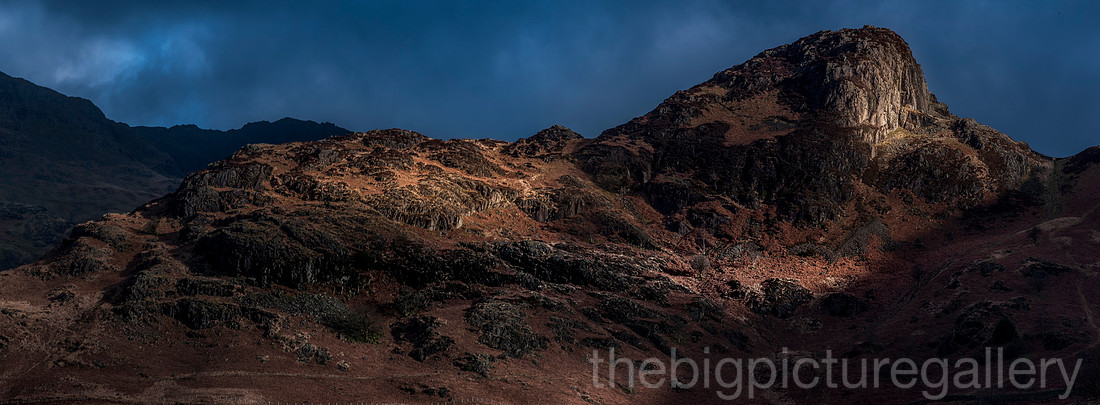
Fleeting Moments
Shooting the Landscape as many have discovered is all about Fleeting moments. The weather is undeniably the photographers saviour, as well as tormentor, what you think is going to happen, usually doesn't and vice versa. We had a prospect of some snow last week, the prospect of some snow on higher ground was inviting. The day broke and looked pretty good for some images. I had an idea that snow would be lying above the village of Tissington, as this is about 800 feet higher than my village.
Snow was around, but the weather was poor, low visability, with little contrast. Some snow was still in the air, and it was bloody cold, so i decided to leave it for awhile.Parked up in a layby on the A515 with a nice hot coffee and waited. I gave it an hour and could see the sun trying to break through. Mad dash to get to a couple of spots I had recce'd earlier, I could not hang about too long as the snow was already thawing. A couple of hours later I was done, the snow had vanished in a blink of an eye. I was pretty happy though I had captured some nice winter snow scenes. Mind you the car was absolutely bogging. An hour of jetwashing when I got home.
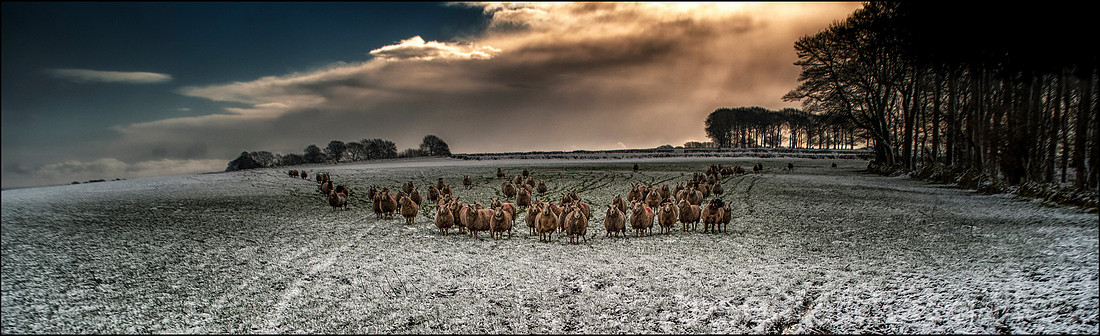 Sheep on the Rake near MonyashWaiting to be fed
Mamiya 645 df Phase One P21 with 35mm lens. The sheep thought I was bringing them some feed.
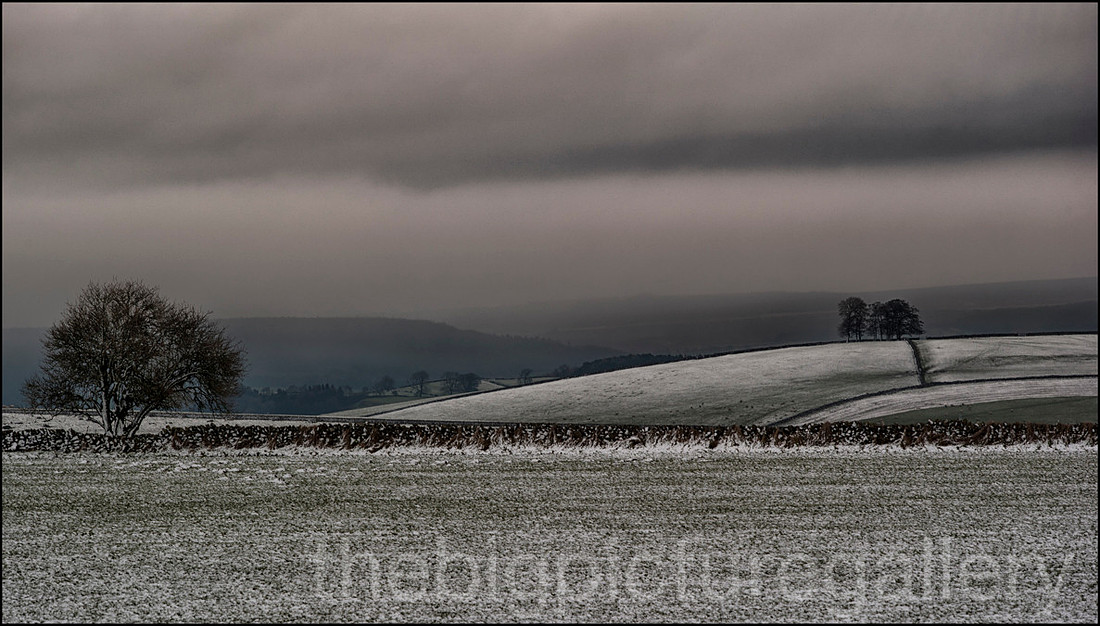 AutoWB: 2.94; 1.00; 1.03, Kelvin=5941, Tint=-0.0021
Mamiya 645df Phase One P21, 210mm . Rolling hilside near Pikehall
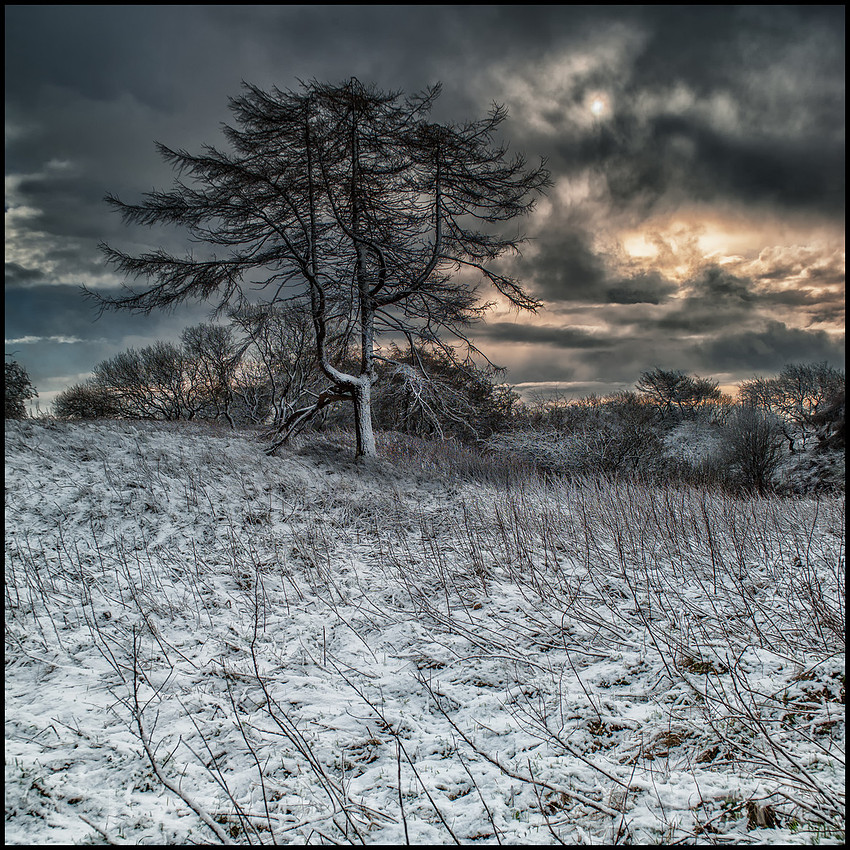 AutoWB: 2.98; 1.00; 1.10, Kelvin=5778, Tint=-0.0059
Mamiya 645df Phase One P21 with 35mm, I have always wanted to take this image with snow on the ground. Worth the wait I think.
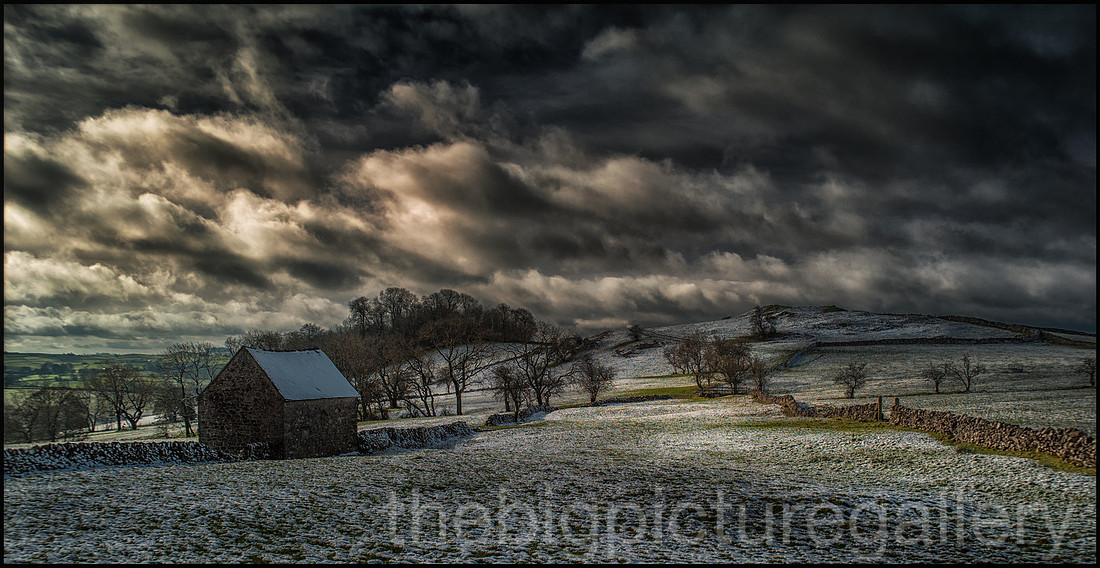 AutoWB: 2.99; 1.00; 1.13, Kelvin=5706, Tint=-0.0073
Mamiya 645df Phase One P21 with 35mm. Breaking light near Alstonfield.
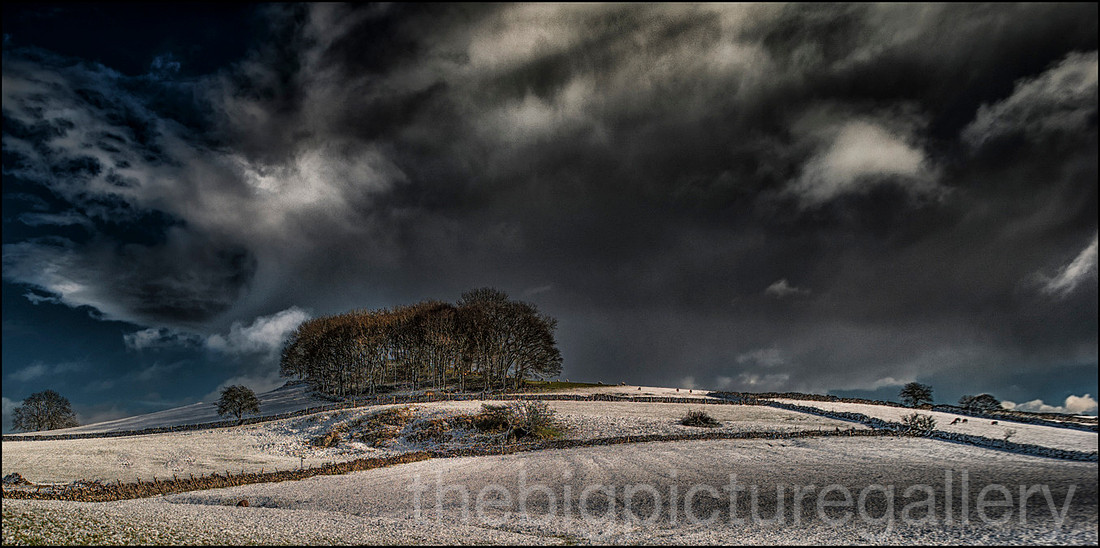 AutoWB: 3.08; 1.00; 1.07, Kelvin=6075, Tint=-0.0063
Mamiya 645df Phase One P21 with 35mm. A small hillside copse near Alstonfield